
Visceral fat is fat stored deep inside the abdomen around internal organs. Excess amounts are associated with insulin resistance, cardiovascular disease, and fatty liver disease. Its health significance depends on more than appearance: a person can have a normal body mass index and still carry an unfavorable amount of abdominal fat.
Reducing visceral fat usually means improving the overall pattern of eating, activity, sleep, and weight management. Abdominal exercises alone cannot selectively remove it, and hormone treatment is not a routine solution for a growing waistline.
The practical focus: Assess waist size alongside blood pressure, blood glucose, cholesterol, and personal history. Replace easy-to-overconsume foods and drinks, build regular movement, preserve muscle, and use medical treatment when there is an appropriate diagnosis.
Visceral fat and subcutaneous fat are different
Subcutaneous fat sits beneath the skin. It includes much of the softer tissue that can be pinched around the abdomen. Visceral fat lies deeper, inside the abdominal cavity. Fat stored within the liver is another related problem, but it is not simply the same tissue as fat surrounding the organs.
A protruding or firm abdomen does not prove that someone has excessive visceral fat. Body shape can reflect several tissues and conditions, including subcutaneous fat, muscle, posture, bloating, or an unrelated medical problem. Photographs and touch cannot reliably separate these possibilities.
Waist measurements are useful screening tools, while CT or MRI can measure abdominal fat more directly. Imaging is generally not needed just to begin improving metabolic health. A clinician can decide whether imaging is relevant for another reason, such as evaluation of liver disease.
Why a normal weight does not settle the question
Body mass index, or BMI, describes weight relative to height. It does not directly identify muscle mass or where fat is stored. Someone with relatively thin limbs and a larger waist can therefore have risks that are not obvious from BMI alone.
A 2015 study of normal-weight central obesity and mortality followed 15,184 adults, including men and women. Normal-weight participants with central obesity had unfavorable mortality associations compared with several other body-size groups. The study assessed central obesity using waist-to-hip ratio, rather than directly measuring visceral fat.
This was observational research. It supports looking beyond BMI, but does not show that every person with a small abdominal bulge has a higher risk than every person with obesity. Age, smoking, blood pressure, fitness, muscle mass, and existing disease remain important.
A single body-fat percentage is also not a universal clinical definition of obesity across all adults. Measurement method, sex, age, body-fat distribution, and health findings affect interpretation. Home devices can be useful for trends, but their visceral-fat scores are estimates rather than direct organ-level measurements.
Five common contributors to abdominal fat gain
1. Sugary drinks and excess energy intake
Sweetened soda, energy drinks, sweet tea, and large specialty coffees can add substantial energy without the fullness of a meal. Replacing a habitual sugary drink with water, unsweetened tea, or another suitable option can be a practical first change. Portion size and frequency matter.
Fructose is often singled out, but whole fruit should not be treated like a sugary beverage. Fruit supplies water, fiber, and nutrients within a different food structure. The relevant problem is an overall pattern that makes excess intake easy, not the presence of any naturally occurring sugar.
2. A diet that makes overeating easy
Many highly processed snack foods combine convenient portions, concentrated energy, and appealing textures that encourage repeated eating. A controlled NIH feeding study found greater intake and weight gain on an ultra-processed diet than on an unprocessed comparison diet. That study did not establish that every packaged food directly causes visceral fat.
Counting ingredients is an unreliable way to judge nutritional quality. Frozen vegetables, canned beans, plain yogurt, and whole-grain bread can support a useful eating pattern. A practical approach compares protein, fiber, added sugar, portions, and how satisfying a food is in everyday meals.
3. Alcohol
Alcohol adds energy and may influence food choices, sleep, and liver health. Heavy intake is particularly concerning. A drink’s calories also depend on the serving and mixer, which can make the actual amount consumed easy to underestimate.
Alcohol should not be started for health benefits. Reducing intake can help some people meet weight and health goals, and some medical conditions call for avoiding it. Anyone with possible alcohol dependence should obtain medical guidance because sudden withdrawal can be dangerous.
4. Low activity and declining muscle strength
Long periods of sitting and little planned exercise reduce opportunities to use energy and maintain physical capacity. Aging does not make improvement impossible. Walking, cycling, swimming, and resistance exercise can all contribute, with the starting point matched to current ability.
Resistance training is particularly useful during weight management because preserving strength and lean tissue matters. A lower scale number is less helpful if the person becomes weaker and less active along the way. Training and adequate food should support the same health goal.
5. Aging, hormonal changes, and other influences
Fat distribution can change with age and menopause. Genetics, sleep, medications, stress, and medical conditions can also affect weight and appetite. These factors explain why two people following similar routines may not have identical results.
A change in waist size does not diagnose low testosterone. Likewise, fatigue and difficulty losing weight are not specific hormone tests. Persistent or unexplained changes justify a broader assessment that includes lifestyle, medications, symptoms, and clinically appropriate testing.

What health problems are linked with visceral fat?
Abdominal fat is metabolically active. It participates in inflammatory and hormonal signaling and is associated with changes in how the body handles fat and glucose. Its effects should be understood as part of a connected metabolic system rather than as a single substance that directly causes every disease.
Insulin resistance and type 2 diabetes
Insulin resistance means cells in muscle, fat, and liver respond less effectively to insulin. The pancreas may initially compensate by producing more. Blood glucose can rise when that compensation is insufficient. It is not simply a matter of the body becoming annoyed by repeated insulin signals.
Large waist size is one risk factor, but family history, age, activity, and other influences also matter. Prediabetes often has no obvious symptoms. The NIDDK explanation of insulin resistance and prediabetes describes how clinicians use blood testing to assess risk and identify abnormal glucose levels.
Cardiovascular and liver disease
Abdominal obesity often occurs alongside high blood pressure, unfavorable triglycerides and cholesterol, and impaired glucose regulation. These findings deserve attention even when body weight appears ordinary. Reducing waist size does not replace treatment of high blood pressure or other established risk factors.
Fatty liver can develop without heavy drinking. The term metabolic dysfunction-associated steatotic liver disease, or MASLD, is now commonly used for a major form of this condition. Some people develop inflammation and scarring, so an incidental finding should prompt an appropriate clinical discussion rather than automatic reassurance.
Cancer and brain health: avoid overstating certainty
Excess body fat is associated with increased risk of several cancers. Inflammation, altered hormone signaling, and insulin-related pathways are among the proposed mechanisms. This does not mean a particular abdominal shape diagnoses cancer or that reducing visceral fat guarantees prevention.
Research also links midlife abdominal adiposity with some brain-imaging markers and later cognitive outcomes. These findings are important but do not prove that a small belly inevitably causes Alzheimer’s disease. Studies differ in their design, populations, and measurements, and preventing dementia cannot be promised from a change in waist size.
How to reduce visceral fat while protecting muscle
A sustainable energy deficit can reduce body fat when weight loss is appropriate. The plan should remain adequate in protein, nutrients, and total food to support daily function. Very restrictive diets can be especially counterproductive when strength and muscle preservation are priorities.
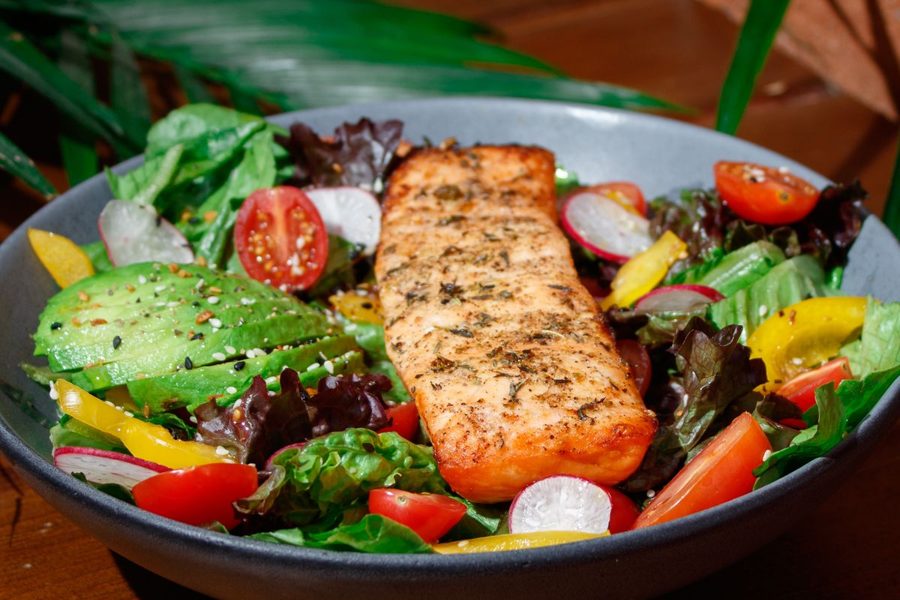
Meals can be built around a protein source, vegetables or fruit, and a fiber-rich carbohydrate such as beans, lentils, or whole grains. This does not require a perfect diet. It requires a repeatable pattern with portions that fit the person’s needs.
Regular aerobic activity and at least two weekly strength sessions are useful goals for many adults. A short walk after a meal is an accessible beginning, while longer or more frequent activity can be added gradually. Abdominal exercises train the trunk but do not selectively burn the fat over it.
Sleep and recovery also deserve attention. Loud snoring, witnessed pauses in breathing, or persistent daytime sleepiness can warrant evaluation for sleep apnea. Better routines described in health habits that matter more after 50 can support the changes without relying on a single product.
Is hormone therapy a treatment for visceral fat?
Testosterone replacement is a treatment for appropriately diagnosed hypogonadism, not a general prescription for older men with abdominal fat. The Endocrine Society’s 2026 statement on testosterone therapy emphasizes symptoms together with consistently low, accurately measured testosterone levels and an appropriate evaluation.
A single borderline result in a person without symptoms does not establish a need for treatment. Testosterone should not be presented as proven primary prevention for heart disease. Potential benefits, contraindications, fertility effects, and monitoring requirements need individualized discussion.
Menopausal hormone therapy likewise should be considered for appropriate indications after weighing benefits and risks, rather than prescribed solely to remove abdominal fat. Unapproved peptides and online “fat-burning” combinations do not become established treatments because they are marketed for hormone optimization.
Measure progress with more than the scale
A useful baseline includes waist measurement, weight trend, blood pressure, strength, and any indicated laboratory results. Waist measurements should be taken consistently at the same location without pulling the tape tightly. Occasional measurements reveal a trend more clearly than repeated checks throughout the day.
Changes in clothing fit, walking endurance, and strength can add context. A shrinking waist with stable weight may reflect a favorable body-composition change, but it does not quantify visceral fat exactly. Unexpected rapid abdominal enlargement, pain, or unexplained weight loss deserves medical evaluation.
Visceral fat matters because of its relationship with metabolic health. The practical response is consistent movement, satisfying meals, muscle preservation, and appropriate medical assessment. The goal is better health and function, not a particular abdominal appearance or a promise that one treatment will eliminate every risk.
Video Summary
For more evidence-based nutrition and fitness tips, subscribe to our channel: https://www.youtube.com/@Vitality-and-Wellness
Looking for extra help with your fitness goals? Check out the personalized Nutrition Program at Parkway Athletic Club: parkwayathleticclub.com/nutrition
Disclaimer: This content is for educational purposes and does not replace personalized medical advice.