Staying fit on vacation after 50 does not require recreating the entire routine from home. A shorter strength plan, plenty of comfortable movement, regular protein-containing meals, and enough time for sleep can keep the trip connected to long-term health goals while leaving room to enjoy it.
For many travelers, the best target is continuity. A week away can become a lighter training week rather than a choice between perfect discipline and abandoning every habit. The plan should fit the destination, the schedule, and the person’s current abilities.
1. Plan the minimum before packing
Find out whether the accommodation has a usable gym, safe walking routes, and convenient food options. Photos may show more than a hotel’s written equipment list, but it is wise to have a backup. A room described as a fitness center may contain only a treadmill and a few light dumbbells.
Choose a small number of commitments in advance. For example, two brief strength sessions, a walk on most days, and a protein source at breakfast might be enough structure for a busy family trip. Another traveler may prefer three short gym visits. Neither approach needs to match a five-day home schedule.
Leave room for what the vacation already includes. A day of sightseeing or hiking can be substantial activity. Adding a full workout to prove consistency may simply create unnecessary fatigue. The goal is to account for the whole day, not collect exercise sessions.
2. Make the gym routine smaller and familiar
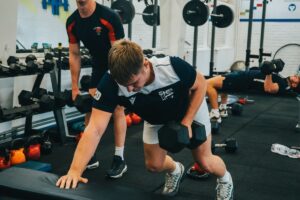
A reduced-volume full-body session can be convenient when gym visits are less frequent. Pick familiar movements that cover the major areas normally trained, using equipment that can be adjusted safely. A leg exercise, an upper-body push, and an upper-body pull can provide a simple starting framework.
Warm up, inspect the equipment, and take time to understand its settings. Hotel machines are not automatically light or safe, and dumbbells are not inherently more effective. The challenge depends on the load, technique, repetitions, and effort. Avoid testing maximum strength on unfamiliar equipment.
For an experienced exerciser, one or two comfortable working sets per familiar movement may be a useful travel compromise. That is an example, not a universal prescription. A beginner or someone with an injury may need a different plan from a trainer or physical therapist.
Keep enough reserve that a session does not interfere with walking, excursions, or sleep. There is also no need to cram extra-hard workouts into the days before departure. Arriving sore and exhausted can undermine the lighter week that was supposed to feel restorative.
3. Have a room-based backup
When the gym is closed or the day runs late, a short routine can preserve the habit. Options might include comfortable chair stands, wall push-ups, or exercises with a resistance band already used at home. A room routine should be chosen for the person and the surroundings, not copied blindly from a challenging online circuit.
Check the floor, available space, and support surfaces first. A rolling chair, soft couch, or unsecured piece of furniture is a poor exercise station. Triceps dips from furniture are not essential; a more comfortable and stable movement is usually available.
If the day has already included hours of walking, the backup can be gentle mobility or rest. Calling every spare moment an opportunity for exercise can turn an enjoyable trip into a series of obligations. A practical fallback makes the routine easier to sustain, not harder to escape.
4. Build meals around actual food
Travel often removes the conveniences that make eating well simple at home. A familiar blender, stocked refrigerator, or usual lunch may not be available. Instead of trying to replicate every detail, identify an accessible protein source at each main meal.
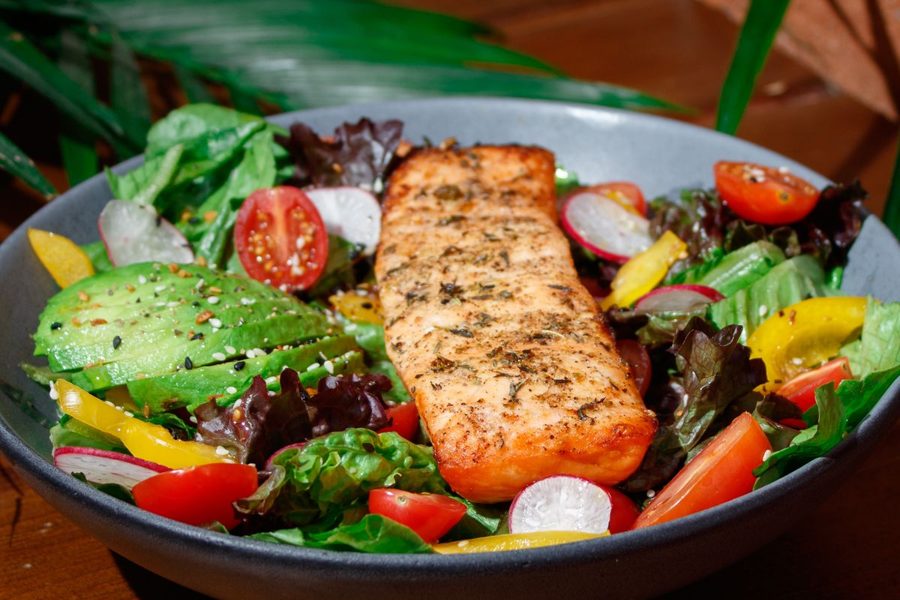
At a hotel breakfast, that might be eggs, yogurt, or an appropriate plant-based option. At lunch, a bowl with chicken, fish, tofu, or beans can be a useful base. At dinner, look at the entire meal: protein, vegetables or fruit, a satisfying carbohydrate source, and portions that fit appetite and activity.
Ordering extra chicken can help when a meal otherwise contains little protein, but oversized portions are not a requirement for fitness. Protein needs vary with body size, training, overall intake, and health conditions. A personal target should not be borrowed from a larger, highly active person simply because the number sounds disciplined.
The NIH Office of Dietary Supplements overview of exercise supplements explains that protein supports muscle maintenance and repair and that many active people can meet their needs through food. Powders can be convenient, but their convenience does not make them necessary for a short trip.
Do not use an amino-acid conversion shortcut
Essential amino acids are components of protein, but there is no universal rule that a serving counts as double its weight in dietary protein. A supplement’s effects depend on its composition, the rest of the diet, and the outcome being measured. It is misleading to turn an amino-acid serving into an invented food-protein total.
Amino acids also do not supply the full nutritional value of a meal. Replacing meals with repeated servings can leave gaps in energy, fiber, and other nutrients. If intake is difficult because of appetite, illness, or medical treatment, individualized nutrition advice is more useful than a supplement arithmetic rule.
5. Keep enjoyable food in perspective
A pizza dinner, dessert, or a favorite local dish can fit within a vacation. Consider how the whole day feels rather than judging one food as a failure. Eat enough to be satisfied, notice fullness, and return to the usual meal pattern afterward.
Do not assume a gluten-free crust is automatically healthier. The NIDDK guidance on gluten-free eating distinguishes treatment for celiac disease from a general health or weight-loss strategy. People who medically require gluten avoidance need appropriate precautions, but everyone else should evaluate the food’s overall composition rather than its gluten-free label.
Similarly, skipping meals to “save” for dinner can backfire if it leaves someone ravenous. A simple breakfast or lunch with protein and produce may make an evening meal easier to enjoy comfortably. Travel nutrition works better when it supports the day rather than setting up a cycle of restriction and compensation.
6. Use walking as part of the trip
Walk to a nearby destination when the route is safe, explore an accessible neighborhood, or take an easy stroll after a meal. These options combine movement with the experience of being away. They also avoid the need to schedule every active minute separately.
Build gradually if the trip involves more walking than normal. Blisters, joint irritation, and fatigue can accumulate when someone suddenly doubles the usual distance in unfamiliar shoes. Comfortable footwear and a shorter first-day route may be more valuable than a step challenge.
During long stretches in a car or seated at the airport, use reasonable opportunities to stand and move. Travelers with specific medical risks should follow their clinician’s advice. A fitness app should not override symptoms, safety conditions, or travel restrictions.
7. Protect enough opportunity for sleep
Late conversations, early excursions, time changes, and an unfamiliar bed can make sleep less predictable. Some flexibility is part of travel, but regularly shortening the night can make both workouts and the vacation less enjoyable. Plan a realistic bedtime rather than assuming energy will take care of itself.
The CDC’s age-based sleep guidance recommends at least seven hours for adults through age 60, seven to nine hours at ages 61–64, and seven to eight hours for adults 65 and older. Individual needs vary, and sleep quality matters alongside duration.
Choose one or two familiar cues: a wind-down routine, a cool and comfortable room, or a consistent morning start when possible. If plans run late, consider moving the next workout instead of automatically sacrificing sleep. Rest can be the most useful part of a lighter training week.
8. Make alcohol and tracking deliberate choices
If alcohol is part of the trip, decide in advance how it fits with medication use, planned activities, and personal health. Choosing less, alternating with nonalcoholic drinks, or not drinking are practical options. Do not treat exercise as a way to cancel out alcohol or make intoxication safe.
Food logging can help some travelers notice portions and maintain a protein goal. Others find that detailed tracking distracts from meals or creates anxiety. A simpler checklist—regular meals, protein sources, produce, and enough water—may be easier to use.
For people who do log, restaurant estimates are estimates. An app cannot know exactly how a dish was prepared. Treat the numbers as rough information, not a verdict that requires compensatory exercise or skipping food the next day.
9. Make the return home part of the plan
Before leaving, decide when the normal routine will resume. An appointment with the gym calendar, a basic grocery list, and a familiar breakfast can reduce the friction of the first day back. A late flight or poor night’s sleep may justify easing into that schedule.
Expect the first session to provide information. Use familiar loads, pay attention to effort, and adjust as needed. There is no need to punish the body for a lighter week, a missed workout, or a few restaurant meals.
Long-term consistency includes adapting to travel. The broader priorities in health habits that matter more after 50 can serve as a home base when routines change.
A useful vacation fitness plan preserves movement, meals, and sleep without requiring perfection. Make the routine small enough to fit the trip, enjoy the experiences that brought everyone together, and return with a clear next step. A sustainable approach should support both health and the pleasure of being away.
Video Summary
For more evidence-based nutrition and fitness tips, subscribe to our channel: https://www.youtube.com/@Vitality-and-Wellness
Looking for extra help with your fitness goals? Check out the personalized Nutrition Program at Parkway Athletic Club: parkwayathleticclub.com/nutrition
Disclaimer: This content is for educational purposes and does not replace personalized medical advice.