Supplement Safety After 50
Supplements can correct deficiencies and support health, but taking more does not automatically create more benefit. After 50, it becomes especially important to look at total intake, overlapping products, medications, diet, kidney and liver function, and whether there is a real reason for each bottle in the cabinet.
Quick answer: Supplements are not inherently good or bad. The right nutrient at the right dose can be useful, while unnecessary high-dose supplementation can create side effects, interactions or unexpected long-term risks. The smartest approach is to identify what you actually need, total up overlapping ingredients, prioritize food when possible and use targeted supplementation instead of assuming that more is better.
What you will learn:
Walk into almost any pharmacy, health-food store or longevity clinic and you can find a supplement for nearly every goal: immunity, energy, testosterone, sleep, heart health, memory, inflammation, joints, vision, digestion and healthy aging.
Many of these products contain nutrients the body genuinely needs.
The problem begins when “important” quietly becomes “the more the better.”
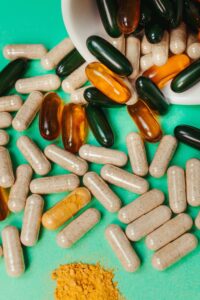
A multivitamin may contain zinc, selenium, vitamin E and B12. A separate immune formula may contain more zinc and selenium. An eye-health product may add beta-carotene or vitamin A. A B-complex contributes another large amount of B12. A mineral formula adds still more zinc. Before long, someone may be consuming the same nutrient from four or five products without realizing it.
That is why supplement safety cannot be judged one bottle at a time. What matters is the total amount from food, fortified foods, individual supplements, multivitamins and combination products.
For adults over 50, this deserves extra attention because supplement use often increases at the same time that prescription medications, chronic conditions and changes in nutrient absorption become more common.
The “More Is Better” Trap
The human body does not respond to nutrients in a perfectly linear way.
If a person is deficient in vitamin B12, correcting that deficiency can dramatically improve symptoms. Taking ten times more after the deficiency is corrected does not necessarily produce ten times more energy.
If someone is zinc deficient, replacing zinc is important. That does not mean 80 milligrams per day is automatically better than an appropriate intake.
The relationship often looks more like a curve:
The Supplement Sweet Spot
Too little can create deficiency. More can correct the problem. Beyond the useful range, additional intake may provide no extra benefit and can eventually create harm.
Too Little
Deficiency, impaired function or symptoms may develop.
Useful Range
Needs are met and normal biological functions are supported.
More
Additional intake may provide little or no extra benefit.
Too Much
Side effects, interactions or toxicity become more likely.
Exercise works the same way. Exercise is beneficial, but exercising 12 hours every day would not make someone twelve times healthier. Water is essential, but drinking extreme amounts can become dangerous.
Nutrients also have an appropriate range.
A better longevity principle
The goal is not nutrient maximization. The goal is nutrient adequacy: enough to support health, targeted replacement when needed and avoidance of unnecessary excess.
The Hidden Problem: Supplement Overlap
Most people who accidentally take excessive amounts of a nutrient are not swallowing ten zinc tablets at once.
The problem is usually stacking.
How One Nutrient Can Appear Five Times
Multivitamin
Contains zinc
Immune Formula
Contains zinc
Mineral Blend
Contains zinc
Men’s Formula
Contains zinc
Separate Zinc
Contains even more
No individual bottle may look extreme, but the combined daily intake can become surprisingly high.
This is especially common with:
- Zinc
- Selenium
- Vitamin A
- Vitamin E
- Vitamin D
- Vitamin B6
- Vitamin B12
- Magnesium
- Calcium
- Iron
Fortified protein shakes, meal-replacement drinks, energy products and breakfast cereals can add another layer that is easy to forget.
Beta-Carotene: When an Antioxidant Trial Produced the Opposite Result
Beta-carotene is a carotenoid found naturally in foods such as carrots, sweet potatoes, spinach and other colorful fruits and vegetables. The body can convert beta-carotene into vitamin A.
Because beta-carotene has antioxidant activity, researchers once believed that large supplemental doses might help prevent lung cancer.
Large randomized trials produced an unexpected result.
In the Alpha-Tocopherol, Beta-Carotene Cancer Prevention Study, male smokers taking 20 mg of beta-carotene per day had approximately an 18% higher incidence of lung cancer.
In the CARET trial, people at high risk because of smoking or asbestos exposure received beta-carotene plus preformed vitamin A. The intervention was stopped early after researchers observed approximately a 28% increase in lung cancer risk.
High-Dose Beta-Carotene in High-Risk Groups
Relative increases reported in major prevention trials.
ATBC trial: approximately 18% higher lung cancer incidence
CARET trial: approximately 28% higher lung cancer risk
These findings apply to high-dose supplementation in specific high-risk populations, not to eating carrots or other vegetables. Source: U.S. Preventive Services Task Force evidence review.
This distinction matters enormously.
Carrots did not cause the problem. Eating vegetables rich in carotenoids remains part of a nutritious diet.
The unexpected signal appeared with concentrated supplemental beta-carotene in people already at elevated lung-cancer risk.
The U.S. Preventive Services Task Force now recommends against using beta-carotene supplements for the prevention of cardiovascular disease or cancer.
Smokers and former smokers should check labels carefully
Multivitamins, eye-health formulas and antioxidant products can contain beta-carotene. People who smoke, formerly smoked or have significant asbestos exposure should discuss these products with a healthcare professional.
Vitamin A and the Fat-Soluble Vitamin Question
Vitamins A, D, E and K are fat-soluble vitamins. This means they are absorbed alongside dietary fat and handled differently from water-soluble vitamins such as vitamin C and many B vitamins.
However, “fat soluble” does not mean all four vitamins behave identically or have the same toxicity profile.
Preformed vitamin A—such as retinol or retinyl palmitate—can accumulate and become toxic at high intakes. The adult tolerable upper intake level for preformed vitamin A is 3,000 micrograms RAE per day.
Excessive preformed vitamin A can contribute to liver abnormalities and other adverse effects.
Beta-carotene is different. It does not share the same vitamin A toxicity limit, although high-dose supplementation creates the lung-cancer concern described above in smokers and other high-risk groups.
Fat-Soluble Does Not Mean “Dangerous”
| Vitamin | Why Excess Deserves Attention |
|---|---|
| Vitamin A | High preformed vitamin A intake can cause toxicity and liver problems. |
| Vitamin D | Very high intake can cause hypercalcemia and other complications. |
| Vitamin E | High supplemental doses can increase bleeding risk, and some trials identified other harms. |
| Vitamin K | No adult UL has been established, but vitamin K can interact importantly with warfarin and similar anticoagulants. |
Cod liver oil is another product worth checking carefully because some formulations contain substantial amounts of vitamins A and D. Someone taking cod liver oil plus a multivitamin plus separate vitamin A or D may be consuming more than expected.
Always check the actual Supplement Facts panel because formulations differ substantially between brands.
Source: NIH Office of Dietary Supplements: Vitamin A.
Vitamin E: A Famous Antioxidant With an Important Trial Result
Vitamin E is an essential nutrient involved in antioxidant protection. Nuts, seeds and vegetable oils naturally provide vitamin E as part of a normal diet.
Supplemental vitamin E became popular because oxidative damage is associated with aging and chronic disease. The assumption was straightforward: if antioxidant activity is useful, a large antioxidant dose might provide additional protection.
The Selenium and Vitamin E Cancer Prevention Trial, known as SELECT, tested that idea in more than 35,000 generally healthy men.
Men assigned to 400 IU per day of synthetic vitamin E experienced a statistically significant 17% higher incidence of prostate cancer compared with placebo during extended follow-up.
SELECT Vitamin E Result
400 IU
Synthetic vitamin E taken daily
+17%
Relative increase in prostate cancer incidence
Source: SELECT extended follow-up. View the study.
This does not mean dietary vitamin E is harmful or that every person taking a vitamin E supplement will develop prostate cancer.
It does demonstrate that a commonly sold supplemental dose can produce a different biological effect than researchers expected.
High supplemental vitamin E can also interfere with blood clotting and may increase bleeding risk, particularly when combined with anticoagulant or antiplatelet medications.
The USPSTF recommends against vitamin E supplementation specifically for the purpose of preventing cardiovascular disease or cancer.
Zinc: Necessary, Useful and Easy to Stack Too High
Zinc plays important roles in immune function, DNA synthesis, protein synthesis and wound healing. Zinc deficiency is real and should be corrected when present.
But zinc is one of the easiest minerals to unintentionally duplicate because it appears in multivitamins, immune supplements, men’s health products, cold remedies and stand-alone mineral formulas.
The adult tolerable upper intake level for zinc is 40 milligrams per day from all sources unless a healthcare professional is intentionally using a higher amount for medical reasons.
One of the clearest risks of chronically excessive zinc supplementation is copper deficiency. High zinc intake interferes with intestinal copper absorption.
Zinc Intake: Useful Reference Points
8 mg
RDA for adult women
11 mg
RDA for adult men
40 mg
Adult tolerable upper intake level
There is also observational research worth understanding carefully.
A 30-year follow-up of more than 47,000 men found that people reporting more than 75 mg per day of supplemental zinc had higher rates of lethal and aggressive prostate cancer. Long-duration use of 15 years or more was also associated with higher risk.
Because this was an observational study, it cannot prove that zinc caused those cancers. People who choose very high-dose supplements may differ in other ways that affect risk.
Still, when combined with the established copper-deficiency risk from excessive zinc, the findings provide another reason not to take large doses without a clear medical reason.
Source: 30-year zinc supplementation and prostate cancer follow-up.
Selenium: A Trace Mineral Where Baseline Status Matters
Selenium is an essential trace mineral involved in antioxidant enzymes, thyroid hormone metabolism, DNA synthesis and other biological functions.
The body needs selenium—but only in relatively small amounts.
Interest in selenium supplementation increased after earlier research suggested that it might reduce prostate cancer risk. SELECT later tested 200 micrograms of selenium per day in a large randomized trial.
Overall, selenium supplementation did not significantly reduce prostate cancer risk.
A later analysis produced an important nuance: among men who already had relatively high selenium status before supplementation, supplemental selenium was associated with a 91% higher risk of high-grade prostate cancer.
Selenium: Why More May Not Help
If intake is inadequate
Correcting a genuine deficiency may restore normal biological function.
If selenium is already sufficient
Additional supplementation has not been shown to provide extra prostate-cancer protection.
If intake becomes excessive
Hair loss, brittle nails, gastrointestinal symptoms and neurological problems can occur.
Sources: SELECT baseline selenium analysis and NIH selenium fact sheet.
The U.S. adult tolerable upper intake level is 400 micrograms per day.
Brazil nuts deserve special attention because selenium content can be extremely high and variable. NIH estimates approximately 68 to 91 micrograms of selenium in a single Brazil nut.
That means a handful of Brazil nuts plus a selenium-containing multivitamin plus a thyroid-support supplement can add up faster than expected.
The lesson is not to fear selenium. It is to recognize that trace minerals have a relatively narrow useful range compared with nutrients needed in much larger quantities.
Vitamin B12: High Percentages on the Label Do Not Tell the Whole Story
B12 creates an interesting contrast with the fat-soluble vitamins and minerals discussed above.
Vitamin B12 is water soluble, and the Food and Nutrition Board has not established a tolerable upper intake level because B12 has a low potential for toxicity and is generally considered safe even at high supplemental doses.
That is important because it would be inaccurate to claim that a supplement providing 1,000% or 20,000% of the Daily Value is automatically toxic.
At the same time, most people do not automatically gain additional energy simply because they take an enormous dose.
B12 supplementation is particularly useful for people who have a deficiency or elevated risk, which can include:
- Older adults who have difficulty absorbing food-bound B12
- People following vegan diets
- People who have undergone certain gastrointestinal surgeries
- People taking metformin
- People using long-term acid-suppressing medications
- People with pernicious anemia or other absorption disorders
B12 is a good example of why context matters
A 500-microgram B12 supplement can provide more than 20,000% of the Daily Value and still not exceed an established UL—because no UL exists. The important question is whether the person needs supplementation and whether the dose fits the clinical situation.
There is observational research that has linked long-term high supplemental intake of vitamins B6 and B12 with higher lung-cancer incidence in men, particularly male smokers.
That finding should not be interpreted as proof that B12 causes lung cancer. The research was observational, meaning researchers identified an association rather than randomly assigning people to long-term high-dose B12.
It is therefore reasonable to avoid sensational claims while still asking whether repeatedly stacking B12 injections, a B-complex, a multivitamin and fortified energy products is accomplishing anything useful.
Sources: NIH vitamin B12 fact sheet and VITAL cohort B-vitamin study.
Why Antioxidants Are More Complicated Than “Good vs. Bad”
The beta-carotene and vitamin E stories reveal a larger lesson about antioxidant biology.
Free radicals and reactive oxygen species are often described only as harmful molecules that damage cells. Excessive oxidative stress can certainly contribute to cellular injury.
But reactive oxygen species also participate in normal signaling. They can help regulate immune responses, exercise adaptation, cellular communication and other biological processes.
The goal is therefore not to eliminate every oxidative molecule in the body.
Biology depends on balance.
Antioxidant Balance
Too much oxidative stress
Can damage proteins, lipids and DNA.
Balanced signaling
Reactive molecules participate in normal cell signaling and adaptation.
Megadose antioxidants
May not reproduce the health effects associated with antioxidant-rich foods.
A diet rich in vegetables, fruit, nuts, seeds, legumes and other minimally processed foods provides antioxidants as part of a complex mixture of nutrients and phytochemicals.
That is biologically different from swallowing an isolated nutrient at many times the amount normally consumed from food.
Why This Matters More After 50
Being over 50 does not automatically make supplements dangerous. In fact, certain nutrient deficiencies become more relevant with age.
But the risk-benefit calculation can become more complicated because adults over 50 may be more likely to:
- Take multiple prescription medications
- Use several dietary supplements simultaneously
- Have changes in kidney function
- Have changes in digestive absorption
- Use acid-suppressing medications
- Use metformin or other long-term medications
- Have osteoporosis or cardiovascular disease
- Use anticoagulant or antiplatelet medication
- Follow restricted diets
- Purchase products marketed specifically for longevity or anti-aging
A supplement that was relatively unimportant at age 30 can become more relevant when it interacts with medication taken at age 65.
Examples include vitamin E with anticoagulants, zinc interfering with certain antibiotics, calcium affecting medication absorption and vitamin K interacting with warfarin.
Your supplement list is part of your medication list
Bring a complete supplement list—or photographs of every label—to medical appointments. Include powders, gummies, drinks, herbal products and occasional supplements, not only prescription medications.
How to Audit Your Supplement Cabinet
A supplement audit can reveal unnecessary duplication quickly.
Step 1: Put every product in one place
Include multivitamins, powders, sports supplements, eye products, immune products, sleep formulas, drinks and prescription vitamin injections.
Step 2: Ignore the front label
Turn every product around and read the Supplement Facts panel. Marketing names such as “immune,” “men’s health” and “longevity” do not tell you what is actually inside.
Step 3: Create one nutrient total
Write down your total daily zinc, selenium, vitamin A, vitamin D, vitamin E, B6, B12, calcium, magnesium and iron from every supplement.
Step 4: Ask what each product is supposed to accomplish
“Anti-aging” is not a specific medical indication. Know whether the goal is treating a deficiency, correcting a medication-related issue, improving a documented laboratory value or addressing a specific condition.
Step 5: Compare intake with evidence-based reference ranges
The Daily Value, RDA and tolerable upper intake level answer different questions. Do not assume that a large percentage of Daily Value automatically means toxicity, but do investigate repeated intake near or above an established UL.
Step 6: Check medication interactions
A pharmacist can be particularly helpful because supplements may change medication absorption, blood clotting, blood pressure or other effects.
Step 7: Simplify
If three products contain the same nutrient without a clear reason, eliminating overlap may be more useful than adding another bottle.
The Supplement Cabinet Reality Check
| Supplement | Why People Take It | What to Watch |
|---|---|---|
| Beta-carotene | Antioxidant and vitamin A source | High-dose supplements should be avoided for cancer prevention, especially in smokers and other high-risk groups. |
| Vitamin A | Vision, immune function and skin | Preformed vitamin A can accumulate; check cod liver oil, multivitamins and eye formulas. |
| Vitamin E | Antioxidant and cardiovascular claims | High supplemental doses can affect clotting; 400 IU/day increased prostate cancer incidence in SELECT. |
| Zinc | Immunity, wound healing and men’s health | Frequently duplicated; excessive long-term intake can cause copper deficiency. |
| Selenium | Thyroid and antioxidant support | Required only in small amounts; supplements plus Brazil nuts can add up quickly. |
| Vitamin B12 | Energy and deficiency correction | No UL exists, but more does not automatically create more energy when B12 status is already adequate. |
When Supplements Make Sense
This discussion should not be interpreted as an argument against all supplementation.
Supplements can be extremely useful when they solve a specific problem.
Examples may include:
- B12 for a documented deficiency or absorption problem
- Vitamin D when intake or blood levels are inadequate
- Iron for confirmed iron deficiency when medically appropriate
- Calcium when dietary intake is inadequate and supplementation is indicated
- Folic acid for people who are planning or capable of pregnancy
- Specific nutrients after bariatric surgery
- Targeted supplementation based on medication-related nutrient depletion
- Clinician-directed treatment for specific medical conditions
The difference is purpose.
“My laboratory testing and medical history show I need this” is very different from “I heard antioxidants slow aging, so I take five of them.”
The question to ask before buying another bottle
What specific problem is this supplement solving for me, and what evidence shows that this dose is appropriate?
Frequently Asked Questions
Can you take too many supplements?
Yes. Excess intake can occur from one high-dose product or from several products containing the same nutrient. Risk depends on the nutrient, dose, duration, medications and individual health.
Are supplements more dangerous after 50?
Not automatically. However, medication use, chronic conditions, changes in absorption and kidney function can make supplement interactions and unnecessary high doses more important to review.
Should smokers take beta-carotene?
High-dose beta-carotene supplements are not recommended for cancer prevention and have increased lung-cancer risk in trials involving smokers and other high-risk populations. Beta-carotene-rich vegetables are different.
Is 400 IU of vitamin E safe?
Safety depends on the individual and purpose. In SELECT, 400 IU/day of synthetic vitamin E increased prostate cancer incidence in healthy men. High doses can also increase bleeding risk.
How much zinc is too much?
The adult tolerable upper intake level is 40 mg/day unless a healthcare professional is intentionally using more for a medical reason. Long-term excessive intake can cause copper deficiency.
Should zinc always be paired with copper?
Not automatically. The issue is that excessive zinc can impair copper absorption. The solution should be based on total intake, diet and medical needs rather than blindly adding another mineral.
Do I need selenium if I eat Brazil nuts?
Possibly not. Brazil nuts can contain very high and variable amounts of selenium. Consider total intake from food and supplements rather than automatically combining both.
Is high-dose B12 dangerous?
B12 has no established tolerable upper intake level and is generally considered safe. However, large doses are often unnecessary when B12 status is adequate, and observational studies have raised questions that require further research.
Do fat-soluble vitamins always build up dangerously?
No. Vitamins A, D, E and K are fat soluble, but their storage, toxicity and upper intake limits differ. Each nutrient needs to be evaluated individually.
Should I stop all supplements?
No. The goal is targeted supplementation, not elimination. Review why you take each product, whether it overlaps with another product and whether the dose fits your needs.
Final Thoughts
Supplements can be useful tools, especially when they correct a real deficiency or address a specific nutritional need.
But the word “vitamin” does not automatically mean harmless, and the word “antioxidant” does not automatically mean disease prevention.
Large clinical trials have repeatedly shown why dose and context matter. High-dose beta-carotene increased lung-cancer risk in smokers and other high-risk groups. A commonly sold dose of supplemental vitamin E increased prostate cancer incidence in SELECT. Excess zinc can cause copper deficiency. Selenium can become harmful when intake is excessive, and extra selenium did not produce the cancer-prevention benefit researchers originally hoped for.
B12 provides another useful lesson: even when a nutrient has a very low toxicity risk, that does not mean enormous doses create enormous benefits.
After 50, the smartest supplement strategy is often simpler than the most expensive one.
Know what you take. Read every label. Total up overlapping ingredients. Consider what you already obtain from food. Review medications and medical conditions. Correct genuine deficiencies. Avoid megadoses without a reason.
The goal is not the biggest supplement cabinet.
The goal is to give your body what it needs, in the amount it needs, for a reason supported by evidence.
Video Summary
Disclaimer: This content is for educational purposes and does not replace personalized medical advice. Dietary supplements can interact with prescription medications and medical conditions. Speak with a qualified healthcare professional or pharmacist before beginning, stopping or substantially changing a supplement regimen.
For more evidence-based nutrition and fitness tips, subscribe to our channel:
https://www.youtube.com/@Vitality-and-Wellness
Looking for extra help with your fitness goals? Check out the personalized Nutrition Program at Parkway Athletic Club:
parkwayathleticclub.com/nutrition