A wearable can help an adult over 50 notice useful patterns: how much movement fits into an ordinary day, whether bedtime keeps drifting later, or when a heart rhythm deserves medical attention. The best device depends on the question being asked. An Oura Ring, an Apple Watch, and a continuous glucose monitor measure different things, and none supplies a complete picture of health.
The most productive approach is to choose one meaningful goal, understand the limits of the measurement, and use the information to make a manageable change. More sensors do not automatically produce better decisions.
Start with the health question, not the product
Before comparing brands, finish this sentence: “The information would be useful if it helped change ____.” Someone who sits through long workdays may need movement reminders. Someone with diabetes may need glucose data that guide an established treatment plan. Someone concerned about inconsistent sleep may benefit from a simple bedtime log before buying anything.
After 50, a practical goal might be maintaining walking capacity, supporting resistance training, or creating enough opportunity for sleep. Those outcomes matter more than collecting impressive-looking scores. A tracker earns its place when its feedback helps a person follow through.
| Tool | Useful question | Important limit |
|---|---|---|
| Ring or recovery band | Are sleep timing and overnight patterns changing? | Sleep stages and readiness scores are estimates. |
| Activity watch | Is daily movement becoming more consistent? | Steps do not capture every form of exercise. |
| CGM | What glucose patterns matter to a treatment plan? | Sensor readings are not identical to blood measurements. |
Oura, Whoop, and the meaning of recovery data
Rings and bands commonly combine movement, heart rate, and other sensor signals to estimate sleep and recovery. Comfort matters because information collected on only a few nights is harder to interpret. A device that can be worn consistently may be more useful than one with a longer feature list that spends most nights charging.
Heart rate variability, or HRV, describes differences in the intervals between heartbeats. It is not the same as resting heart rate. The useful comparison is generally a person’s own pattern over time, measured under similar conditions. Comparing a morning number with a friend’s number can be misleading.
A low recovery score after a late night can prompt a reasonable question: was bedtime later, was alcohol involved, or was training unusually demanding? It cannot identify the cause on its own. Illness, medication, measurement quality, and ordinary variation can also influence the numbers. A high score does not prove that a hard workout is appropriate.
Run a small experiment rather than chasing a score
Suppose a tracker repeatedly shows a higher overnight heart rate after evenings that include alcohol and a late meal. An informative next step is to change one feature of the evening for several days and note both the readings and how the person feels. Changing meal timing, alcohol, exercise, and bedtime simultaneously makes the result harder to interpret.
This is a personal observation exercise, not a controlled medical experiment. It can reveal a habit worth discussing or continuing without proving that a particular food, supplement, or bedtime caused every change. Keep the question modest enough that the information can actually answer it.
Sleep trackers estimate sleep; they do not explain every bad night
A consumer tracker generally infers sleep from indirect signals. A clinical sleep evaluation asks a different question and may use additional measurements. Broad patterns such as time in bed and regularity can be useful even when the exact minutes assigned to individual sleep stages are uncertain.
A meta-analysis comparing wrist-worn sleep trackers with polysomnography found that performance requires careful interpretation. Results from one device generation or study population do not establish equal accuracy for every current model, every sleep stage, or every person.
If a person feels rested but the app assigns a disappointing score, the number deserves perspective. Conversely, feeling persistently exhausted despite reassuring scores deserves attention. Loud snoring, witnessed pauses in breathing, or significant daytime sleepiness should lead to a healthcare conversation rather than another purchase.
For some people, repeated checking turns sleep into a nightly performance test. A useful safeguard is to record how the night felt before opening the app. If the data create persistent anxiety or encourage spending excessive time in bed trying to improve a score, pause tracking and discuss the sleep problem directly.
Activity watches are most valuable when feedback becomes action
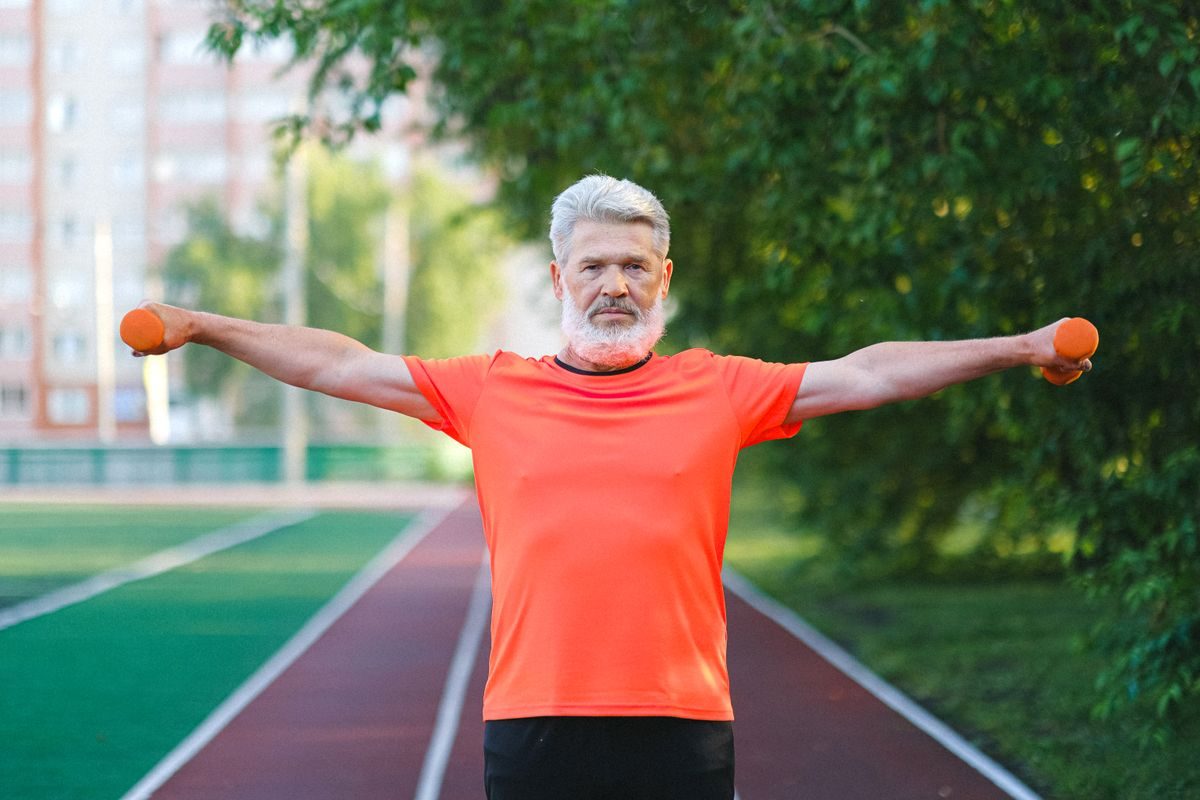
A step counter can make a sedentary routine visible. It may reveal that a gym workout is followed by hours of sitting, or that weekends contain less movement than expected. The response can be simple: add a comfortable walk after lunch, schedule standing breaks, or arrange a regular outing with a friend.
A 2022 umbrella review of activity tracker interventions found improvements in physical activity across varied populations. That supports using trackers as behavior tools. It does not mean owning a watch guarantees weight loss, prevents disease, or makes every suggested target appropriate for an older adult.
Start with a normal week rather than immediately adopting an arbitrary step goal. A manageable increase from an individual’s baseline is more actionable than a target that causes pain or discouragement. Someone who cycles, swims, or lifts weights should also recognize that steps alone miss much of that work.
Calorie estimates deserve particular restraint. A workout’s displayed energy expenditure should not be treated as an exact food allowance. Hunger, meal quality, body-weight trends, exercise performance, and clinical needs provide context that a wrist estimate cannot supply.
Heart alerts are prompts for assessment
Some compatible watches offer regulated ECG or irregular-rhythm features. Availability depends on the model, software, region, and intended user population. Regulatory authorization applies to a specific feature and intended use; it does not turn every health number on the device into a medical-grade measurement.
An irregular-rhythm alert can be worth bringing to a clinician, especially with a saved tracing and a record of symptoms. It is not a diagnosis of atrial fibrillation. A normal tracing also cannot exclude every heart problem. Chest pain, fainting, or severe breathing difficulty require urgent attention regardless of what a watch reports.
CGMs measure a different signal and serve a different purpose
A continuous glucose monitor uses a small sensor under the skin to estimate glucose in interstitial fluid. That is the fluid around cells, not a direct sample of blood. Glucose can differ between these compartments, particularly during rapid changes, and a sensor can sometimes give a reading that does not fit how someone feels.
The NIDDK guide to continuous glucose monitoring explains how CGMs support diabetes management and why users may still need a blood glucose meter. Follow the particular device’s instructions and the established care plan when symptoms and readings disagree.
For someone without diabetes, a graph can be interesting without establishing a medical benefit. Long-term health improvement is a stronger claim than showing that two meals produce different curves. Routine screening and diagnosis of diabetes still belong in an appropriate clinical evaluation.
A rise after eating does not automatically make a food unhealthy. Fruit, beans, whole grains, and potatoes contribute nutrients that disappear from consideration if the only goal is a perfectly flat glucose line. Meal size, other foods, recent activity, sleep, and stress can influence the response.
Comparing the same meal on different days may be more informative than ranking foods from isolated readings. Even then, use observations to ask better questions rather than building increasingly restrictive food rules. People taking glucose-lowering medication should make treatment changes with their healthcare team.
A practical two-week plan for using one wearable
- Choose one outcome. Examples include walking more consistently or keeping a steadier sleep schedule.
- Establish a baseline. Wear the device normally and note anything unusual, such as illness or travel.
- Make one small change. Try an easy post-meal walk or a consistent wind-down time.
- Review patterns at a planned time. A brief weekly review is often more useful than checking every hour.
- Evaluate real-life results. Consider energy, function, enjoyment, and whether the change is sustainable.
Keep a brief written note beside the data. “Late work meeting,” “new medication,” or “unusually hard workout” can explain more than an unlabeled dip in a chart. When sharing results with a clinician, bring a concise summary and the specific concern rather than expecting a complete review of months of screenshots.
For example, a useful appointment summary might describe repeated palpitations during evening walks, when they started, any accompanying dizziness, and which recordings are available. That gives the clinician a clear question. A large collection of unexplained red and green scores may be less helpful because it leaves the actual concern hidden.
Choose a device that fits life after 50
Comfort, readable text, charging demands, subscription costs, and privacy settings can determine whether a device remains useful. Check how data are shared and whether a report can be exported. Someone who dislikes sleeping with a watch may prefer a ring; someone who wants visible walking reminders may prefer a screen.
There is no requirement to buy multiple devices to cover every possible metric. The same budget might better support comfortable walking shoes, a strength program, or help with an unresolved sleep problem. These broader priorities are explored in health habits that matter more after 50.
Wearables work best as useful observers. Choose a question they can reasonably help answer, acknowledge uncertainty, and judge success by the healthier routine that follows. The goal is better health and function, with technology serving that goal.
Video Summary
For more evidence-based nutrition and fitness tips, subscribe to our channel: https://www.youtube.com/@Vitality-and-Wellness
Looking for extra help with your fitness goals? Check out the personalized Nutrition Program at Parkway Athletic Club: parkwayathleticclub.com/nutrition
Disclaimer: This content is for educational purposes and does not replace personalized medical advice.