Low testosterone can manifest as stubborn belly fat, brain fog, low mood and vanishing gym motivation. Medically supervised testosterone-replacement therapy (TRT) restores levels to the physiologic “sweet spot,” often reversing those symptoms in weeks. Yet dosage, injection method and follow-up labs matter—a lot. Below you’ll find an evidence-based roadmap that covers benefits, side-effects, subcutaneous vs intramuscular injections and the blood markers clinicians track to keep therapy safe.
1. Recognising Low-T Symptoms
- Persistent fatigue and morning sluggishness
- Increased visceral fat despite training and whole foods
- Low libido or erectile issues (men) / decreased drive (women)
- Depressive mood, anxiety or “brain fog” (systematic review)
- Plateaued strength or recovery despite solid programming
Baseline Lab Checklist
The Endocrine Society’s clinical guidelines recommend confirming low morning testosterone on two separate days plus running these labs for context (Endocrine Society Guideline):
- Total & free testosterone
- Estradiol (E2)
- Complete blood count (CBC) for hematocrit
- Lipid panel & fasting glucose
- PSA (men 40+)
2. Choosing an Injection Strategy
| Method | Dose Frequency | Pros | Cons |
|---|---|---|---|
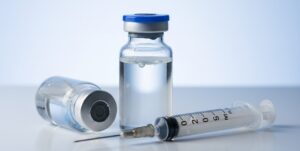
| Subcutaneous (sub-Q) 29–31 G insulin needle into shoulder/abdomen fat | 2–3× week (e.g., 35 mg Mon/Wed/Fri) | Stable blood levels, tiny needle, low post-shot soreness | Requires multiple weekly shots |
| Intramuscular (IM) 23–25 G, 1″ glute or vastus lateralis | 1× week (e.g., 120–200 mg) | Fewer injections, used in most clinical trials | Higher peaks/troughs; mild soreness; hematocrit may rise faster |
Tip: Sub-Q works best with testosterone cypionate or enanthate, the most common esters supplied by U.S. compounding pharmacies.
3. Expected Timeline of Benefits
- Weeks 1-2: Mood lift, sharper focus, better sleep quality.
- Weeks 3-6: Gym endurance up; morning erections return; scale weight steady as lean mass slowly increases.
- Months 3-6: Waist drops, HDL often rises, fasting glucose stabilises. A 2022 meta-analysis reports neutral to slightly improved cardiovascular risk markers with physiological TRT (JAMA Cardiology).
4. Side-Effects & How Clinicians Mitigate Them
- Elevated estrogen (E2): Manage with dose tweaks; aromatase inhibitors are last-line, not first-line (Mayo Clinic review).
- Hematocrit > 54 %: Donate blood or lower weekly mg. Hydration, fish-oil and daily cayenne may help viscosity.
- Acne / mild hair thinning: Usually resolve with dose reduction; topical finasteride + dutasteride solutions show high success with minimal systemic exposure (PubMed study).
5. Women & Testosterone
The North American Menopause Society recognises low-dose testosterone therapy as a treatment option for hypoactive sexual desire and energy loss in midlife women (NAMS Position Statement). Prescribed doses (e.g., 2–4 mg topical cream) remain a fraction of male protocols and do not masculinise when monitored.
6. Lifestyle Synergy: Make TRT Work Harder
- Protein: 1.6–2.0 g·kg−1 goal weight; EAAs fill gaps.
- Training: 3–4 full-body resistance sessions plus two brisk 30-minute walks.
- Sleep: 7–9 h—night-time testosterone pulses rely on deep sleep.
- Stress control: Chronic cortisol suppresses Leydig-cell output; insert sauna, cold plunge or mindfulness sessions.
7. Follow-Up Lab Schedule
- Weeks 6-8: Total/free T, E2, CBC—adjust dose
- Month 6: Repeat full panel + lipid profile
- Annual: PSA (men), thyroid panel, liver enzymes
Key Takeaways
- Work with a hormone-literate physician and licensed pharmacy—no black-market vials.
- Aim for high-normal free T (about 18–25 ng/dL); “more” isn’t better.
- Monitor estradiol and hematocrit; most side-effects stem from peaks that are too high, not TRT itself.
- Support therapy with targeted nutrition, resistance training and sleep for maximal body-recomp benefits.
Disclaimer: This article is educational; it does not replace individual medical advice. Always consult a qualified clinician before starting or adjusting hormone therapy.
Video Summary
For more science-based hormone and fitness insights, subscribe to our channel:
https://www.youtube.com/@Vitality-and-Wellness