Transforming your body after 50 is possible, but it rarely happens by accident. It requires consistency, patience, honest tracking, structured strength training, better nutrition, and a realistic understanding of how the body changes with age. For many adults, the goal is not simply to lose weight. The better goal is body recomposition: losing fat, maintaining or building lean muscle, improving performance, and feeling stronger in daily life.
That distinction matters. A person can lose weight quickly and still lose muscle, feel weaker, or damage long-term consistency. A person can also see slower changes on the scale while their waist shrinks, strength improves, energy rises, and body composition moves in the right direction. After 50, this bigger-picture view becomes even more important because muscle, metabolism, hormones, recovery, and cardiovascular health all deserve attention.
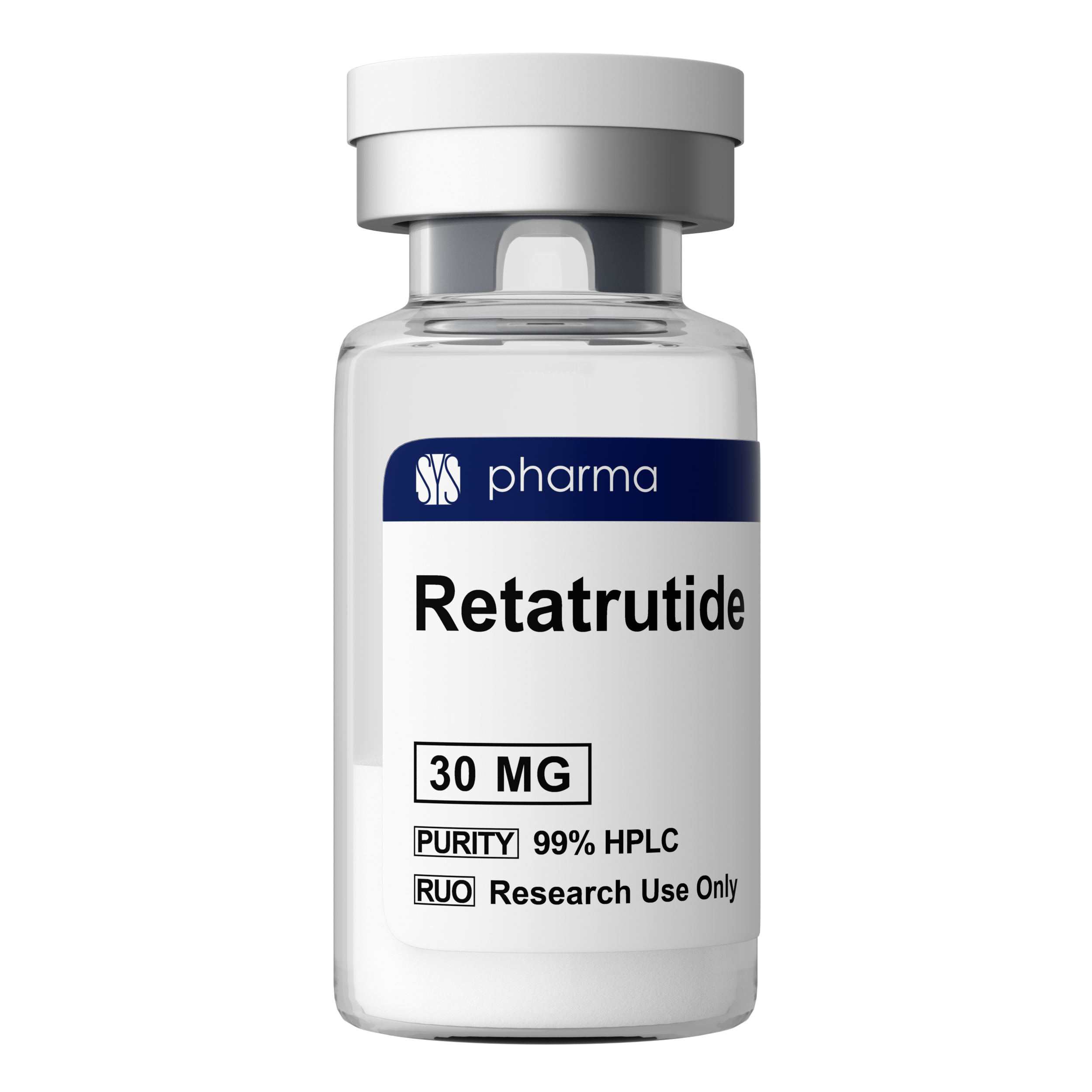
Recent conversations around advanced weight-loss medications and investigational compounds have added another layer to the discussion. Some people are hearing about “Reta,” commonly used online to refer to retatrutide, and wondering whether it could change body composition, appetite, carbohydrate intake, or metabolism. While the clinical research around retatrutide is significant, it is critical to understand that retatrutide remains investigational and is not an approved medication available through normal prescribing channels. Eli Lilly describes retatrutide as an investigational once-weekly triple hormone receptor agonist that activates GIP, GLP-1, and glucagon receptors, and states that it is legally available only to participants in clinical trials. You can review Lilly’s current retatrutide information here: lilly.com/news/stories/what-to-know-about-retatrutide.
This article is not a recommendation to use retatrutide or any unapproved compound. Instead, it focuses on the larger lessons from the conversation: everyone responds differently, tracking matters, dose conversations require medical supervision, body transformation is a long-term process, and no peptide or medication replaces the fundamentals of health.
Why Body Transformation Over 50 Is Different
The body does not respond at 55 or 65 exactly the way it did at 25. That does not mean progress is impossible. It means the plan needs to respect age-related changes in muscle mass, recovery, hormones, joint health, sleep, and metabolic flexibility. Adults over 50 can absolutely get leaner, stronger, and more athletic, but the approach should be smarter than crash dieting or chasing short-term scale weight.
One of the biggest concerns after 50 is preserving lean muscle. Muscle is not just about appearance. It supports strength, balance, glucose control, mobility, bone health, and independence. Losing weight without protecting muscle can leave someone smaller but weaker. That is why strength training and adequate protein are essential parts of a body transformation plan.
Another major factor is recovery. Hard training still works, but recovery may require more attention. Sleep quality, protein intake, hydration, mobility work, rest days, and managing training volume all matter. The goal is not to train less seriously. The goal is to train in a way the body can adapt to instead of constantly recover from.
Body Recomposition Is Not Just Weight Loss
Many people begin a transformation focused only on the scale. The scale is useful, but it is incomplete. Body recomposition is about improving the ratio of lean tissue to body fat. That can mean losing fat while maintaining or even gaining muscle. It can also mean looking leaner, performing better, and feeling healthier even when the scale does not move dramatically.
This is especially relevant for adults over 50 because lean mass becomes more valuable with age. A smaller number on the scale is not automatically a healthier outcome if strength and muscle are dropping with it. Instead of asking only, “How much weight did I lose?” it may be more useful to ask:
- Is strength improving or at least being maintained?
- Is waist measurement decreasing?
- Is energy better during workouts?
- Is blood pressure, glucose, or cholesterol improving?
- Is sleep quality improving?
- Are daily activities easier?
These markers provide a more complete picture of progress. Someone may be getting leaner and stronger even if weekly scale changes are slower than expected.
Why Tracking Changes Everything
Tracking is one of the most underrated tools in fitness over 50. It removes guesswork. Without tracking, people often underestimate how much they eat, overestimate how much they move, or misread short-term fluctuations as failure. With tracking, patterns become clearer.
Tracking does not have to mean obsession. It can be used as an educational tool. Tracking calories and macros for a period of time can reveal whether protein is too low, whether calories are higher than expected, or whether carbohydrate intake affects training performance. Tracking body weight over time can show trends instead of emotional reactions to one weigh-in. Tracking blood pressure, glucose, workouts, sleep, and measurements can provide even deeper feedback.
For people using any medically supervised therapy that affects appetite, weight, blood sugar, or digestion, tracking becomes even more important. Appetite changes can make someone unintentionally under-eat. That may sound helpful for fat loss, but if calories drop too low, strength, muscle retention, recovery, and mood can suffer. A large deficit may produce fast weight loss, but it can also increase the risk of losing lean tissue.
For adults over 50, the goal is not just to get lighter. The goal is to become healthier, stronger, and more resilient. Tracking helps make sure the plan is supporting that goal.
Carbohydrates, Performance, and the Older Athlete
Carbohydrates are often misunderstood in weight-loss conversations. Some people do better with lower carbohydrates, especially if they struggle with appetite control or blood sugar management. Others feel and perform better with moderate or higher carbohydrate intake, especially when training hard. The right amount depends on the person, their health status, their training, their goals, and their medical situation.
For strength training, carbohydrates can support performance by helping replenish glycogen, the stored form of carbohydrate used during exercise. When training volume increases or workouts become more intense, some people notice better pumps, better energy, and better performance when carbohydrates are higher. That does not mean everyone should eat very high-carb. It means carbohydrates should be evaluated in context rather than treated as automatically good or bad.
Adults over 50 who are trying to build or maintain muscle should pay attention to training performance. If workouts are flat, energy is poor, recovery is slow, and strength is dropping, the issue may not be willpower. It may be insufficient calories, insufficient protein, too little carbohydrate for the training demand, poor sleep, too much volume, or an overly aggressive deficit.
Instead of following a rigid diet identity, use feedback. If carbohydrate intake improves workouts while body composition continues moving in the right direction, that is useful information. If carbohydrate intake leads to overeating or poor blood sugar control, that is also useful information. The key is personalization.
Everyone Responds Differently
One of the strongest lessons in any fitness transformation is that people respond differently. This is true for diets, training programs, supplements, medications, and recovery methods. A dose, macro split, workout routine, or meal plan that works well for one person may not work the same way for another.
This is one reason social media advice can be misleading. Influencers often speak with certainty because certainty gets attention. But the human body is not one-size-fits-all. Someone may say a certain dose, diet, or training method is “optimal,” but the real question is: optimal for whom?
Age, sex, body weight, training history, medications, sleep, stress, hormones, digestion, blood sugar, and genetics can all influence response. That does not mean everything is random. It means the best plan is built through observation, data, and adjustment.
For example, if someone feels worse at a certain intake level, has poor workouts, experiences nausea, or sees negative changes in health markers, that feedback matters. More is not automatically better. Less is not automatically safer or more effective. The right approach is the one that produces progress while protecting health.
Retatrutide and the Importance of Medical Guidance
Retatrutide has generated major interest because it is a triple hormone receptor agonist being studied for obesity and related conditions. A phase 2 trial published in The New England Journal of Medicine found substantial weight reduction in adults with obesity after 48 weeks of retatrutide treatment. That research is one reason the compound has attracted attention.
However, clinical trial results do not mean people should seek unapproved products online. Trial participants are screened, monitored, and treated under controlled conditions. Products sold online as “research use” or unofficial peptide versions may not have the same identity, purity, sterility, dosing accuracy, or safety oversight as a medication studied in clinical trials.
The FDA has warned that unapproved versions of GLP-1-type drugs can be risky because they do not go through FDA review for safety, effectiveness, and quality before being marketed. The FDA’s discussion of unapproved GLP-1 drugs can be found here: fda.gov/drugs/postmarket-drug-safety-information-patients-and-providers/fdas-concerns-unapproved-glp-1-drugs-used-weight-loss.
For anyone over 50, medical guidance is especially important. Blood pressure, cardiovascular risk, kidney function, liver markers, glucose control, gastrointestinal history, medication interactions, and lean mass preservation all matter. A general interest in body transformation is not enough reason to self-experiment with investigational substances.
Why “More” Is Not Always Better
In fitness culture, people often assume that if something works, more must work better. That mindset can cause problems. More training can lead to injury. More dieting can lead to muscle loss and burnout. More supplements can waste money or increase side effects. More medication is not automatically more effective and may create additional risks.
This applies to any intervention that affects appetite, metabolism, digestion, or hormones. If a person feels nauseous, weak, foggy, or unable to train well, the plan may be working against the larger goal. Short-term appetite suppression may lead to weight loss, but if the person is losing muscle, under-eating protein, or unable to exercise, the final result may be less healthy than expected.
The same is true in reverse. Taking too little of a medically prescribed treatment may not produce the intended effect. That is why these decisions should be handled by qualified medical professionals rather than copied from comments, forums, or influencers. The “sweet spot” is not a universal number. It is a medically supervised decision based on the individual.
The Role of Strength Training After 50
Strength training is one of the most important habits for adults over 50. It supports muscle retention, bone density, insulin sensitivity, posture, balance, and independence. It also helps make weight loss more productive because the goal becomes fat loss while preserving or building lean tissue.
A good strength program does not need to be extreme. Most people can start with two to four sessions per week, focusing on major movement patterns such as squats, hinges, presses, rows, carries, and core work. Machines, free weights, resistance bands, and bodyweight exercises can all be effective when programmed properly.
Progress should be measured over time. Are you lifting more weight? Performing more controlled reps? Moving with better form? Recovering faster? Feeling stronger in daily life? These improvements matter even if they do not always show up immediately on the scale.
For adults using appetite-altering medications under medical supervision, strength training becomes even more important. When food intake drops, the body needs a reason to keep muscle. Resistance training provides that signal, while protein and calories provide the building materials.
Nutrition Priorities for Recomposition
Nutrition after 50 should support fat loss, muscle retention, energy, and health markers. That usually means prioritizing protein, fiber, whole foods, hydration, and a calorie level that creates progress without destroying recovery.
Protein is especially important because muscle protein synthesis becomes less responsive with age. This does not mean older adults cannot build muscle. It means protein quality, protein distribution, and resistance training matter. Many adults benefit from including a protein source at each meal, such as lean meat, fish, eggs, Greek yogurt, cottage cheese, tofu, legumes, or protein powder when needed.
Fiber supports digestion, fullness, blood sugar control, and heart health. Good sources include vegetables, fruits, oats, beans, lentils, potatoes, whole grains, nuts, and seeds. Healthy fats from foods such as olive oil, avocado, nuts, seeds, and fatty fish can also support overall health.
Calories still matter. A person cannot ignore energy balance, but the deficit should be appropriate. An aggressive deficit may produce fast results, but it can also reduce performance and muscle retention. A moderate, sustainable approach is often better for long-term recomposition.
Quality Control and Product Safety
Another major issue in the peptide and investigational-drug space is product quality. People may hear about purity testing, third-party certificates, or online vendors claiming legitimacy. But the average consumer may not be able to verify whether a product is actually what it claims to be, whether it is sterile, whether the dose is accurate, or whether the testing is trustworthy.
This is especially concerning with injectable products. Contamination, incorrect dosing, improper storage, and counterfeit substances can all create serious risks. Even if someone believes they are being careful, buying unapproved products outside regulated medical channels can expose them to unknown variables.
For health transformation over 50, this risk is not worth ignoring. The goal is to improve healthspan, strength, and quality of life, not gamble with unknown substances. Medical supervision, legitimate sourcing, lab monitoring, and a clear indication matter.
Think in Years, Not Weeks
Modern fitness culture often promises fast results. But body transformation over 50 is better viewed as a long-term project. A few weeks can show early changes, but a full year gives a much clearer picture of whether a plan is truly working.
This longer timeline helps prevent overreaction. One week of scale fluctuation does not mean failure. One hard workout does not mean the program is perfect. One good response to a new strategy does not mean it will remain ideal forever. Bodies adapt, and plans often need adjustment.
A one-year mindset also encourages better habits. Instead of asking, “How fast can I lose weight?” ask, “Can I keep training, eating, recovering, and improving this way for the next year?” If the answer is no, the plan may need to change.
A Practical Framework for Adults Over 50
For most people, a safer body transformation plan starts with the basics:
- Track for awareness: Monitor food intake, protein, weight trends, workouts, sleep, and key health markers.
- Lift consistently: Strength train two to four times per week with progressive overload and good form.
- Prioritize protein: Include high-quality protein at meals to support muscle retention and recovery.
- Use cardio wisely: Include walking, zone 2 cardio, or other conditioning that supports heart health without crushing recovery.
- Sleep seriously: Poor sleep can affect appetite, hormones, recovery, mood, and performance.
- Work with experts: For medications, peptides, hormones, or complex health concerns, consult qualified clinicians with relevant experience.
This framework may not sound flashy, but it works. Advanced tools may eventually have a role for some people, but they should sit on top of a strong foundation rather than replace it.
Final Thoughts
Transforming your body over 50 is not about chasing youth. It is about building strength, preserving muscle, improving health markers, and creating a body that functions well for decades. That requires patience and precision, not panic.
Retatrutide and similar conversations are attracting attention because the science of weight loss and metabolism is evolving quickly. But investigational compounds are not shortcuts to be copied from social media. They require clinical research, medical oversight, and regulatory approval before they can be treated like standard options.
The most reliable path remains clear: track what matters, train consistently, eat enough protein, adjust carbohydrates based on performance and health needs, monitor health markers, and think long term. If medical therapies are part of the conversation, they should be guided by qualified professionals who understand the risks and the science.
After 50, the goal is not just to lose weight. The goal is to become stronger, leaner, healthier, and more capable. That kind of transformation is built through consistent choices, careful feedback, and respect for the body’s individual response.
Video Summary
Disclaimer: This content is for educational purposes and does not replace personalized medical advice.
For more evidence-based nutrition and fitness tips, subscribe to our channel:
https://www.youtube.com/@Vitality-and-Wellness
Looking for extra help with your fitness goals? Check out the personalized Nutrition Program at Parkway Athletic Club:
parkwayathleticclub.com/nutrition