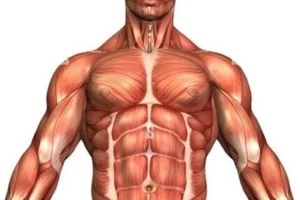
Prescription weight-loss medications and related therapies have changed what’s possible for people who struggle with appetite control, cravings, and metabolic risk. Many individuals report rapid reductions in hunger, a lower desire for sweets, and meaningful fat loss—sometimes within weeks. That said, one concern shows up repeatedly in research and real-world experience: when body weight drops quickly, some of that loss can come from lean mass (which includes muscle).
This article explains why appetite-suppressing therapies can unintentionally reduce muscle mass, why that matters for long-term success, and how to build a practical, evidence-based plan to protect strength and metabolism. It also covers why weight regain is common after stopping these medications—and how to reduce the odds of rebound by changing the system that created the weight gain in the first place.
First, a quick map of the landscape
Most modern medical weight-loss therapies influence the gut–brain appetite pathway. GLP-1 receptor agonists (GLP-1 RAs) are the best-known category, and dual-agonists that target more than one hormone pathway are also widely discussed. A newer category—often called “triple agonists”—aims to influence three related receptors involved in appetite, glucose regulation, and energy balance.
One of the most discussed triple-agonist compounds is retatrutide, which targets receptors for GLP-1, GIP, and glucagon. In a 48-week phase 2 study and related analyses, retatrutide was associated with large average weight reductions at higher study doses, along with improvements in metabolic markers in participants studied for obesity-related outcomes. (For a high-level overview of the compound and trial findings, see: Nature Medicine summary of retatrutide and trial results.)
Important: This article is educational and does not recommend or instruct use of any medication. Dosing decisions, eligibility, contraindications, and monitoring should only be handled by a licensed clinician.
Why appetite drops so dramatically
A consistent theme in user experiences with GLP-1-based therapies is a strong reduction in hunger and “food noise.” Many people also report that highly palatable foods—especially sweets—feel less rewarding. When that happens, calorie intake can fall fast, sometimes without deliberate dieting.
From a fat-loss perspective, this can be helpful. But it creates a new problem: if total intake drops too low, protein intake often drops too low as well. And when protein is low during a calorie deficit—especially if resistance training is reduced—lean mass is more likely to fall alongside fat.
The lean-mass tradeoff: what the research suggests
Weight loss nearly always includes some lean mass reduction. The question is how much. In the GLP-1 medication literature, changes in body composition vary by study, population, and measurement method (DEXA, MRI, etc.). A 2024 review on changes in lean body mass with GLP-1–based therapies discusses that some studies show a meaningful portion of total weight loss can come from lean mass, with variability across trials and conditions. See: PubMed: changes in lean body mass with GLP-1–based therapies (2024).
This does not mean these therapies are “bad.” It means the strategy around them matters. When appetite is blunted, people often eat less across the board—less protein, fewer total nutrients, and sometimes fewer calories than needed to support training and recovery. The result can be a smaller “engine” (less muscle), which can make long-term maintenance harder.
Why losing muscle makes weight regain more likely
Muscle helps determine resting energy expenditure. It’s not the only factor, but it matters. If a person loses a significant amount of lean mass while dieting or using appetite-suppressing therapy, metabolism can slow more than expected for the new body weight. Then, when normal appetite returns (or old eating patterns return), the same calorie intake that once maintained weight can now produce gain.
In plain terms: losing fat is great. Losing fat and muscle often creates a body that burns fewer calories, feels less strong, and is more vulnerable to regain.
The goal: maximize fat loss while minimizing lean-mass loss
A strong “muscle-sparing” approach has three pillars:
- Resistance training to give the body a reason to keep muscle
- Protein targets that remain high even when appetite is low
- A realistic maintenance plan that upgrades eating patterns and routines
1) Resistance training: keep the signal strong
If weight loss is happening quickly, the body becomes efficient. Without a reason to maintain muscle, it will reduce tissue that is energetically “expensive” to keep. Resistance training sends the opposite message: “This tissue is required.”
Practical guidelines that work well for many people:
- Train 2–4 days per week with progressive resistance (adding reps, load, or sets over time)
- Prioritize big movement patterns (squat/hinge/push/pull/carry), adjusted for ability and safety
- Keep effort meaningful—not maximal every session, but challenging enough to drive adaptation
One mistake during pharmacologic weight loss is treating it like a fragile “diet phase” and backing off training intensity too much. For most people (with clinician clearance), the better approach is to keep training consistent and intelligently progressed.
2) Protein: the non-negotiable macronutrient during fat loss
When appetite drops, protein often becomes the hardest target to hit. That’s a problem because protein supports muscle protein synthesis, recovery, and satiety. During a calorie deficit, higher protein intake is consistently associated with better lean-mass retention compared to lower protein approaches.
A practical method is to set a protein target based on desired or goal body weight, not current weight (especially in severe obesity). Many coaches and clinicians use a range rather than a single number, because needs depend on training volume, age, and current body composition.
High-protein tactics that work when appetite is low:
- Protein-first meals: eat the protein portion before sides
- Use “low-volume” proteins: Greek yogurt, eggs/egg whites, lean meat, fish, cottage cheese
- Leverage shakes strategically: when chewing feels difficult, liquid protein can help
- Distribute protein across the day: smaller, repeated doses are often easier than one huge meal
Key insight: Appetite-suppressing therapies can make it easy to under-eat protein. A protein plan must be intentional, or muscle loss becomes far more likely.
3) Calories still matter—especially “too low” calories
Because appetite may drop sharply, some people unintentionally end up in an aggressive calorie deficit. That can accelerate scale loss, but it also increases the risk of:
- fatigue and low training performance
- poor recovery and higher injury risk
- micronutrient shortfalls
- lean-mass loss
A safer model is to pursue a deficit that is meaningful but sustainable. For many individuals, that means prioritizing protein, keeping resistance training consistent, and letting fat loss occur at a pace that preserves performance.
What “appetite reset” might really mean
Many people describe these therapies as creating a “reset” in cravings and compulsive behaviors. While research is still evolving and the effect likely varies by person, there are plausible mechanisms involving reward signaling, glucose stability, and changes in hunger hormones.
Regardless of the mechanism, the key point is behavioral: when cravings quiet down, it becomes easier to build new routines. That window is valuable. It’s an opportunity to create an eating pattern that can survive after the medication is stopped or reduced.
Why weight regain happens after stopping (and how to reduce it)
Weight regain after stopping GLP-1–based medication is common enough to be considered a predictable risk. The medication reduces appetite and makes adherence easier; when it’s removed, appetite and old habits can return quickly.
Three common reasons rebound happens:
Reason 1: The eating system never changed
If a person eats the same foods, in the same environment, with the same stress triggers and routines—only “less of it” because appetite was suppressed—then the old system is still intact. When appetite returns, the system produces the same outcome it always did.
Reason 2: Lean mass dropped too much
If the deficit was too aggressive and resistance training/protein were too low, a meaningful portion of weight loss may have come from lean mass. A smaller lean mass base can reduce daily energy needs, making maintenance harder.
Reason 3: No transition strategy existed
Many people plan the “loss phase,” but not the “keep it off” phase. Maintenance requires structure: planned meals, a training schedule, sleep and stress tactics, and a method to respond when weight starts to creep up.
A practical muscle-sparing plan (built for low appetite)
Here is a framework that fits many people using appetite-suppressing therapies (with clinician clearance and individualized adjustments):
Step 1: Set a protein floor
Pick a daily protein number that is realistic and repeatable. If appetite is low, it may help to split the goal into three or four smaller “protein hits” instead of aiming for one large amount at dinner.
Step 2: Train on a schedule, not on motivation
When calories are down, motivation can fluctuate. A fixed schedule (for example, three resistance sessions per week) makes consistency more likely than “training when it feels right.”
Step 3: Choose a “default meal structure”
Decisions create fatigue. A short list of default meals that are protein-forward and easy to prepare reduces decision load and increases adherence.
Step 4: Track a few key metrics
Tracking does not need to be obsessive. The goal is feedback:
- Waist measurement (often more meaningful than scale weight)
- Strength markers (are key lifts stable or improving?)
- Protein consistency (hit the floor most days)
Step 5: Build the “off-ramp” early
Maintenance begins during weight loss. The habits that will keep results must be practiced while the medication is still helping appetite control. That includes:
- a stable weekly grocery routine
- planned high-protein snacks
- stress management alternatives to food
- social strategies (restaurants, holidays, travel)
Common myths that lead to poor outcomes
Myth: “It’s a magic shot; workouts don’t matter.”
Even when medications reduce hunger, long-term outcomes depend heavily on training, protein intake, and behavior change. People who keep lifting and eating enough protein are far more likely to preserve strength, body composition, and metabolic health.
Myth: “Faster weight loss is always better.”
Fast loss can be motivating, but it may increase the risk of lean mass loss, fatigue, and rebound—especially when appetite becomes so low that nutrition quality collapses.
Myth: “If cravings vanish, the problem is solved.”
Cravings returning is common when therapy changes. Long-term success depends on routines that remain effective even when appetite increases again.
FAQ
Can GLP-1 medications cause muscle loss?
They can be associated with reductions in lean mass as part of overall weight loss. The proportion varies widely by person and study. Muscle-sparing strategies (protein + resistance training) are key. See: PubMed review on lean mass changes (2024).
Is retatrutide the same as semaglutide?
No. Semaglutide is a GLP-1 receptor agonist. Retatrutide is studied as a triple agonist (GLP-1, GIP, and glucagon receptors) and has been investigated for weight and metabolic outcomes in clinical trials. See: Nature Medicine overview.
What matters most for keeping weight off after stopping?
The biggest drivers are maintaining resistance training, keeping protein consistent, and establishing an eating pattern that works without appetite suppression. A transition plan is critical.
Video Summary
This discussion explores how appetite-suppressing therapies can reduce cravings and body fat, why lean-mass preservation matters, and the importance of resistance training, high-protein intake, and behavior change to prevent rebound weight gain.
For more evidence-based nutrition and fitness tips, subscribe to our channel:
https://www.youtube.com/@Vitality-and-Wellness
Looking for extra help with your fitness goals? Check out the personalized Nutrition Program at Parkway Athletic Club:
parkwayathleticclub.com/nutrition
Disclaimer: This content is for educational purposes and does not replace personalized medical advice.