
Plant vs Whey vs Beef Protein: Which One Truly Supports Muscle Growth?
Protein powders play a major role in muscle development and recovery. Because many people compare Plant vs Whey vs Beef Protein, it is important to understand how each option supports different goals. As a result, knowing the strengths and limitations of each protein type helps you choose the right supplement for your needs.
Whether you want to improve body composition or enhance recovery, this comparison offers clear, research-based guidance. It also provides practical insights that make evaluating protein sources much easier.
Plant vs Whey vs Beef Protein: Why Protein Quality Matters
Protein powders differ in their physiological impact. When comparing Plant vs Whey vs Beef Protein, it becomes clear that amino acid completeness, digestion rate, and leucine content all influence muscle-building results. Because of these differences, choosing the right type can significantly improve long-term progress.
For more information on improving daily nutrition, explore our guide on evidence-based nutrition strategies.
Whey Protein Advantages in the Plant vs Whey vs Beef Protein Comparison
Whey protein remains popular for its rapid absorption. In the broader Plant vs Whey vs Beef Protein discussion, whey stands out because it delivers a high leucine concentration and supports muscle repair quickly. In most cases, people who tolerate dairy find whey isolates easy to digest.
To complement whey intake with structured training, visit Parkway Athletic Club for additional fitness support.
Choosing High-Quality Plant Proteins
Plant-based proteins vary widely in quality. Many single-source options lack one or more essential amino acids. Because of this, blends or isolates often perform better. Options such as soy, quinoa, and buckwheat help narrow the gap between plant proteins and other sources in the Plant vs Whey vs Beef Protein comparison.
However, plant proteins may require more processing. As a result, they often contain more carbohydrates, which may not suit calorie-restricted diets.
Beef Protein Isolate in the Plant vs Whey vs Beef Protein Comparison
Beef protein isolate offers a complete amino acid profile and contains no lactose. Therefore, it works well for individuals who want an animal-based protein without dairy. It also digests efficiently and typically contains fewer carbohydrates than plant-based powders.
Understanding the Leucine Trigger for Muscle Building
Leucine plays a major role in activating muscle protein synthesis. Since leucine levels vary across Plant vs Whey vs Beef Protein sources, the body may respond differently depending on the type you choose. Research suggests that consuming roughly 2.5 to 3 grams of leucine per serving supports optimal muscle-building activity.
Digestibility Differences Among Plant, Whey, and Beef Proteins
Digestibility also separates the three protein types. Plant-based powders contain fiber and other compounds that may slow absorption. In contrast, animal proteins—especially whey, egg, and beef isolate—tend to digest more efficiently. As a result, they often deliver amino acids to muscles more quickly.
How to Read Protein Labels Effectively
Label evaluation becomes essential when comparing protein powders. High-quality products list essential amino acid amounts clearly. This is especially important in the Plant vs Whey vs Beef Protein comparison, since missing amino acids can reduce the effectiveness of a protein blend.
Because some ready-to-drink shakes inflate their protein numbers with cheaper amino acids, reviewing the label protects you from choosing lower-quality products.
Supplement Pairing Strategies
Many individuals pair essential amino acids or branched-chain amino acids with their protein powder. This strategy can support better recovery during intense training or calorie restriction. It may also help compensate for the lower amino acid density of some plant proteins.
Protein Needs Increase With Age
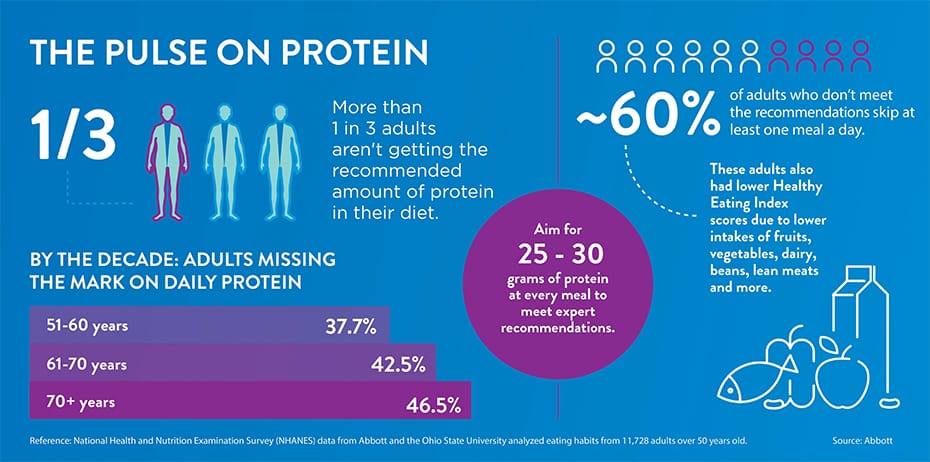
As people age, the body becomes less responsive to dietary protein. This natural change, known as anabolic resistance, increases the need for higher protein intake. In this situation, choosing wisely in the Plant vs Whey vs Beef Protein comparison becomes even more important. Regular strength training further enhances the benefits of higher protein intake.
Video Summary
For more evidence-based nutrition and fitness tips, subscribe to our channel: https://www.youtube.com/@Vitality-and-Wellness
Looking for extra help with your fitness goals? Check out the personalized Nutrition Program at Parkway Athletic Club: parkwayathleticclub.com/nutrition
Disclaimer: This content is for educational purposes and does not replace personalized medical advice.