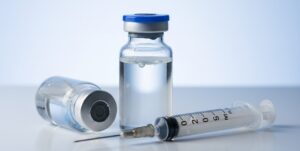
Ivermectin is one of the most controversial medications of the last decade. Some people know it as a parasite medication. Others associate it with COVID-19 debates. Some dismiss it as a “horse dewormer,” while others believe it may have broader benefits for inflammation, cellular cleanup, cancer research, or longevity. The truth is more balanced than either extreme.
Ivermectin is a real medication with legitimate human uses. It is not simply an animal drug. Human ivermectin tablets are FDA-approved for specific parasitic infections, including intestinal strongyloidiasis and onchocerciasis. However, the same medication has also been surrounded by unsupported claims, especially during the COVID-19 pandemic, and it should not be used casually or without medical supervision.
The more interesting modern question is not whether ivermectin exists as a legitimate drug. It clearly does. The better question is whether some of the emerging research around inflammation, autophagy, mitochondria, neuroprotection, and longevity is meaningful for humans. Right now, the answer is cautious: there are intriguing early signals, mostly from lab, animal, and simple-organism studies, but there is no strong human evidence showing that ivermectin extends lifespan or should be used as an anti-aging therapy.
This article breaks down what ivermectin is approved for, why it became controversial during COVID-19, what early longevity research suggests, where the evidence is still weak, and why people should never use veterinary formulations or self-dose without a qualified healthcare provider.
What Is Ivermectin?
Ivermectin is an antiparasitic medication. It has been used for decades in both human and veterinary medicine, but the formulations and doses are not interchangeable. Human ivermectin products are designed and dosed for people. Veterinary ivermectin products are designed for animals and may contain concentrations or inactive ingredients that are not appropriate for human use.
According to DailyMed’s human ivermectin tablet labeling, ivermectin tablets are indicated for the treatment of intestinal strongyloidiasis caused by Strongyloides stercoralis and onchocerciasis caused by Onchocerca volvulus. You can review the official drug label here: DailyMed: Ivermectin tablet label.
The CDC also lists ivermectin as a treatment option for strongyloidiasis, and oral ivermectin is used in certain scabies protocols, especially crusted scabies, under clinician guidance. These uses are very different from taking ivermectin for broad “cleansing,” viral prevention, longevity, or wellness purposes without diagnosis.
Why People Call It a Horse Medicine
The “horse medicine” label became common during the COVID-19 pandemic because some people bought and used veterinary ivermectin products when they could not access human formulations or prescriptions. That created a major safety problem.
Veterinary products may be highly concentrated, intended for much larger animals, or made with ingredients that are not evaluated for human use. Even if the active drug name is the same, the product is not the same. Taking animal ivermectin can lead to dangerous dosing errors and toxicity.
The FDA has directly warned people not to use ivermectin products intended for animals to treat or prevent COVID-19. The agency also states that ivermectin is not authorized or approved for preventing or treating COVID-19 in humans or animals. You can review the FDA’s ivermectin and COVID-19 update here: FDA: Ivermectin and COVID-19.
The takeaway is simple: ivermectin is not “only a horse medicine,” but animal ivermectin is not for people. Human use should involve human formulations, appropriate dosing, and medical supervision.
What Happened During COVID-19?
Ivermectin became popular during COVID-19 because laboratory research suggested it might affect viral replication pathways under certain experimental conditions. Some clinicians and groups promoted protocols that included ivermectin along with other medications and supplements. This created major public debate.
The problem is that laboratory activity does not automatically translate into safe or effective treatment in humans. A compound may show an effect in a dish at concentrations that are not achievable or safe in the human body. That is why clinical trials matter.
The FDA has stated that available clinical trial data do not demonstrate that ivermectin is effective against COVID-19 in humans. That does not erase ivermectin’s legitimate antiparasitic uses, but it does mean COVID-19 claims should be separated from approved medical indications.
For readers, the lesson is broader than ivermectin. During health crises, early research can be misinterpreted, politicized, or exaggerated. A medication can be valuable for one condition and still not be proven for another.
Why Ivermectin Is Being Discussed Again
Outside the COVID-19 debate, ivermectin is gaining renewed attention in some longevity, functional medicine, and anti-aging circles. The reason is that researchers have explored possible effects beyond parasites, including inflammation, mitochondrial activity, autophagy, cancer biology, and neurodegenerative disease models.
Autophagy is one of the major concepts in longevity research. It refers to cellular cleanup processes that help remove damaged proteins and dysfunctional cellular components. Fasting, exercise, calorie restriction, and certain pharmacological interventions are often discussed in relation to autophagy.
Some early studies suggest ivermectin may influence cellular stress pathways or cleanup mechanisms in simple organisms or lab settings. However, this is not the same as proving it extends human lifespan, improves human healthspan, or should be used as a longevity drug.
The Longevity Research: Interesting, but Early
One study often discussed in longevity circles looked at FDA-approved drugs and lifespan effects in rotifers, which are tiny aquatic organisms. The study reported that ivermectin extended rotifer lifespan by about 7% to 8.9% when treatment began in middle age. You can review the open-access study here: Repurposed FDA-approved drugs targeting genes influencing aging.
That finding is scientifically interesting, but it should not be overinterpreted. Rotifers are not humans. A small aquatic organism living longer after exposure to a drug does not mean that people will live longer if they take the same medication. Longevity research often begins in yeast, worms, flies, mice, or other models, but many promising findings never become useful human therapies.
There are currently no strong human clinical trials showing that ivermectin extends lifespan or improves healthspan in healthy adults. That is the most important point. Curiosity is reasonable. Self-experimentation based on early organism studies is not.
Ivermectin, Mitochondria, and Cellular Cleanup
Mitochondria are often called the powerhouses of the cell because they help produce energy. Mitochondrial function is a major focus in aging research because energy production, oxidative stress, and cellular repair all change with age.
Some early research has explored whether ivermectin affects mitochondrial signaling, autophagy, or related pathways. These mechanisms are interesting because they overlap with broader longevity topics. But mechanism alone is not enough. A drug can affect a pathway in a lab and still fail to produce a meaningful or safe outcome in real people.
This is where anti-aging discussions often go wrong. People hear that a compound affects autophagy or mitochondria and assume it must be good for longevity. The body is more complicated than that. Pathways can be beneficial in one context and harmful in another. Dose, timing, health status, age, medications, genetics, and disease state all matter.
Ivermectin and Cancer Research
Ivermectin has also appeared in preclinical cancer research. Some lab studies and reviews have explored whether it may influence cancer cell signaling, apoptosis, autophagy, drug resistance, or tumor microenvironment pathways. This has led to online claims that ivermectin may be useful for cancer.
That discussion requires extreme caution. Preclinical cancer research does not mean ivermectin treats cancer in humans. Many compounds show effects against cancer cells in a lab and never become effective cancer treatments. Cancer care should never be replaced with self-directed ivermectin use.
If someone has cancer or is undergoing chemotherapy, immunotherapy, radiation, surgery, or targeted therapy, they should discuss all medications and supplements with their oncology team. Combining unapproved therapies with cancer treatment can create risks, including interactions, side effects, or delayed evidence-based care.
The responsible statement is this: ivermectin is being studied in some preclinical cancer contexts, but it is not an approved cancer treatment and should not be used as a substitute for oncology care.
Ivermectin and Alzheimer’s Research
There is also early research exploring ivermectin in Alzheimer’s disease models. A PubMed-indexed study reported neuroprotective effects in a streptozotocin-induced Alzheimer’s model, including reductions in pathological changes and amyloid-beta plaques, along with improvements in memory and learning measures in that model. You can review the abstract here: Neuroprotective effects of ivermectin on Alzheimer’s model.
This is interesting, but it is still early-stage research. A mouse model or experimental disease model is not the same as proven benefit in humans with Alzheimer’s disease. Alzheimer’s is complex, and treatments must be evaluated through rigorous human clinical trials before they can be recommended.
People should not use ivermectin to treat Alzheimer’s disease, cognitive decline, autism, ADHD, Lyme disease, or neurological symptoms unless a qualified clinician has a legitimate, evidence-based reason. At this point, ivermectin’s possible neuroprotective role remains a research question, not a clinical recommendation.
The “Parasite Cleanse” Conversation
Some functional medicine discussions include ivermectin as part of a parasite cleanse, especially for people who travel internationally or believe they may have been exposed to parasites. This topic needs careful framing.
Parasitic infections are real, and ivermectin can be appropriate for certain diagnosed or strongly suspected infections. But routine “cleansing” without testing, symptoms, exposure history, or clinician guidance is not the same as evidence-based treatment. Digestive symptoms such as bloating, fatigue, diarrhea, constipation, or food intolerance can have many causes besides parasites.
A better approach is to start with a medical evaluation. If someone has traveled to an area with higher parasite risk, has persistent gastrointestinal symptoms, unexplained eosinophilia, skin symptoms, or other concerning signs, a clinician can order appropriate stool tests, blood tests, or other evaluations. Treatment should match the suspected or confirmed organism.
Using ivermectin casually as a wellness cleanse can create unnecessary risk, especially if the person is taking other medications, has liver disease, is pregnant, has neurological conditions, or uses the wrong formulation.
Safety: Why Dosing and Formulation Matter
Ivermectin can have a good safety profile when used correctly for approved or evidence-based indications. That does not mean it is risk-free. Safety depends on the right patient, right formulation, right dose, right indication, and appropriate medical oversight.
Potential side effects may include dizziness, nausea, diarrhea, fatigue, itching, rash, low blood pressure, liver enzyme changes, or neurological symptoms in certain contexts. Risks may increase with high doses, repeated inappropriate use, medication interactions, or animal formulations.
People should be especially cautious if they are taking blood thinners, immune-suppressing medications, seizure medications, sedatives, or other drugs that may interact with metabolism or the nervous system. Pregnant individuals, children, people with liver disease, and those with complex medical histories should not use ivermectin without medical advice.
Why Human Formulations Matter
Human ivermectin products are manufactured and dosed for human use. Veterinary products are not. This distinction is not just about branding. It is about concentration, inactive ingredients, safety testing, and dosing accuracy.
During the pandemic, poison control centers and health agencies warned about people taking animal ivermectin products. That should not be dismissed as politics. It is a real safety issue. People can overdose when they use products intended for animals, especially large animals.
If ivermectin is medically appropriate, it should come from a legitimate pharmacy and be prescribed or directed by a qualified healthcare provider. Buying animal paste, livestock products, or unverified online medications is unsafe.
What Ivermectin Does Not Prove Yet
Because ivermectin has become so emotionally charged, it helps to be clear about what is not proven:
- It is not proven to extend human lifespan.
- It is not FDA-approved for COVID-19 prevention or treatment.
- It is not an approved cancer treatment.
- It is not an approved Alzheimer’s treatment.
- It is not a general detox or anti-aging medication.
- Animal ivermectin products are not safe substitutes for human medication.
At the same time, it is also inaccurate to say ivermectin is only a horse drug or has no legitimate human use. The balanced view is that ivermectin is a useful antiparasitic drug with interesting early research in other areas, but the evidence is not strong enough to support broad off-label wellness use.
How to Think About Ivermectin Responsibly
If you are interested in ivermectin because of something you heard online, start with a few practical questions:
- What condition am I trying to treat? Parasite infection, COVID-19, longevity, inflammation, and cancer are completely different contexts.
- Is there a diagnosis? Testing and clinical evaluation should guide treatment whenever possible.
- Is this a human formulation? Veterinary products should not be used by people.
- Is there strong human evidence? Lab, worm, rotifer, or mouse research is not enough to justify self-treatment.
- Could this interact with my medications? A clinician or pharmacist should review potential interactions.
- Is this delaying proper care? Do not use ivermectin as a substitute for evidence-based treatment.
These questions keep the conversation grounded. They also help separate legitimate medical use from internet-driven experimentation.
Final Thoughts
Ivermectin is a legitimate human medication with important antiparasitic uses. It has helped treat diseases such as strongyloidiasis and onchocerciasis and may have additional evidence-based roles in certain parasitic or dermatologic conditions under medical guidance. It should not be dismissed as only an animal drug.
At the same time, ivermectin has been overpromoted in ways that go far beyond the evidence. It is not approved for COVID-19, cancer, Alzheimer’s disease, or anti-aging. The longevity research is interesting but early, mostly involving simple organisms, lab models, or animal studies. No one should assume that those findings translate into longer or healthier human life.
The best approach is open-minded but disciplined. Ivermectin may continue to be studied in inflammation, autophagy, mitochondrial function, cancer biology, and neurodegeneration. Future research may clarify whether any of those findings become clinically useful. For now, it should be used only when medically appropriate, in human formulations, with proper dosing and professional supervision.
Curiosity is valuable. Hype is dangerous. With ivermectin, the safest position is to respect the drug, respect the evidence, and avoid turning early research into unsupported self-treatment.
Video Summary
Disclaimer: This content is for educational purposes and does not replace personalized medical advice.
For more evidence-based nutrition and fitness tips, subscribe to our channel:
https://www.youtube.com/@Vitality-and-Wellness
Looking for extra help with your fitness goals? Check out the personalized Nutrition Program at Parkway Athletic Club:
parkwayathleticclub.com/nutrition