Many people struggle to change their body composition despite exercising regularly and following calorie-restricted diets. Weight loss may occur initially, but progress often stalls, leaving individuals frustrated and confused. A major contributor to this problem is insufficient protein intake, particularly as adults age. Protein plays a central role in preserving muscle mass, supporting metabolic health, and enabling sustainable fat loss.
Understanding how protein interacts with metabolism, muscle tissue, and calorie balance can help explain why traditional dieting approaches often fail—especially for adults over 40. Rather than focusing solely on eating less, long-term body transformation depends on eating strategically.
How Aging Changes Protein Needs
As people age, the body becomes less efficient at digesting and utilizing protein. Dietary protein is broken down into amino acids and reassembled into peptides, which are essential for muscle repair, immune function, and metabolic regulation. With age, this process becomes less effective, meaning higher protein intake is required to achieve the same physiological benefit.
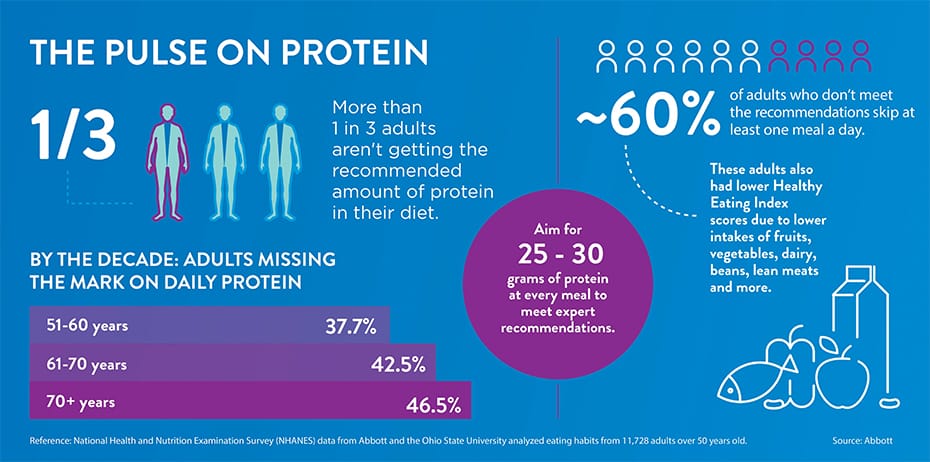
At the same time, appetite often declines. Older adults frequently consume meals that appear adequate but fall dramatically short in protein content. A single egg or small serving of poultry may feel sufficient, yet it provides only a fraction of the protein required to maintain lean tissue.
Research confirms that older adults require higher protein intake per pound of body weight to preserve muscle mass and prevent sarcopenia (age-related muscle loss). According to the National Institutes of Health, inadequate protein intake is strongly associated with muscle decline and reduced physical function in aging populations.
NIH – Protein Requirements in Older Adults
Why Low-Calorie Diets Often Backfire
Calorie restriction without adequate protein leads to predictable outcomes. Initially, weight decreases due to water loss and glycogen depletion. However, prolonged under-eating forces the body to conserve energy, reducing metabolic rate and increasing fat storage efficiency.
One of the most damaging consequences of low-calorie dieting is muscle loss. Muscle tissue is metabolically active, meaning it burns calories even at rest. When muscle mass decreases, basal metabolic rate slows, resulting in fewer calories burned throughout the day.
This explains why many individuals regain weight after dieting—and why the weight regained is disproportionately fat. Each pound of muscle lost lowers daily energy expenditure, compounding metabolic slowdown over time.
Protein’s Role in Preserving Muscle Mass
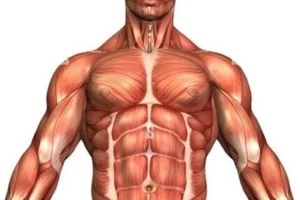
Adequate protein intake signals the body to preserve and build lean tissue, particularly when combined with resistance training. Protein provides the amino acids required for muscle protein synthesis, the process by which muscles repair and grow.
For adults attempting to lose fat, preserving muscle is critical. Studies show that higher-protein diets result in greater fat loss and less muscle loss compared to low-protein diets, even when total calorie intake is similar.
The World Health Organization recognizes protein as essential for maintaining lean body mass and metabolic health, particularly during periods of weight loss.
WHO – Healthy Diet and Protein Intake
Why the Scale Is a Poor Measure of Progress
Body weight alone provides limited insight into health or physical transformation. Two individuals of identical height and weight can have dramatically different body compositions, waist measurements, and metabolic profiles.
Muscle is denser than fat, meaning increases in muscle mass may not reflect as weight loss on the scale. In many cases, the scale may increase while body fat decreases—a positive outcome often misunderstood as failure.
Tracking body fat percentage, lean mass, and physical measurements provides a more accurate assessment of progress. Tools such as DEXA scans, bioelectrical impedance devices, or even changes in clothing fit offer more reliable indicators than scale weight alone.
Muscle Mass Drives Metabolism
Building muscle transforms the body into a more efficient fat-burning system. Each additional pound of muscle increases resting calorie expenditure, allowing the body to burn more energy without additional effort.
When protein intake supports muscle growth and resistance training stimulates adaptation, metabolism increases over time. This creates a virtuous cycle: higher muscle mass leads to higher calorie burn, which leads to greater fat loss without severe dietary restriction.
This approach—often referred to as body recomposition—focuses on improving the ratio of muscle to fat rather than simply reducing body weight.
How Much Protein Is Enough?
Protein requirements vary based on body weight, activity level, and age. However, most adults consume far less protein than needed to preserve lean mass during weight loss.
For many individuals, consuming close to their body weight in grams of protein is unrealistic through whole foods alone. This is where protein supplementation can play a practical role.
Protein shakes and essential amino acid supplements can help bridge nutritional gaps, especially for individuals with busy schedules or reduced appetite. Spacing protein intake evenly throughout the day improves absorption and utilization.
Protein Supplements: Practical Considerations
Protein supplements should complement—not replace—whole food intake. Reading labels is essential to ensure appropriate protein-to-calorie ratios. A supplement providing 25–30 grams of protein with moderate calories can be an effective addition to a balanced diet.
Consuming protein in multiple servings throughout the day supports sustained muscle protein synthesis. Excessively large single servings offer diminishing returns, making distribution more important than quantity at once.
The Long-Term Advantage of Eating More, Not Less
Contrary to popular belief, sustainable fat loss often requires eating more—not less—when calories are strategically allocated toward protein and nutrient-dense foods.
By increasing protein intake and engaging in resistance training, individuals can gain lean mass, accelerate metabolism, and reduce body fat simultaneously. This approach minimizes metabolic slowdown and promotes lasting body composition changes.
Unlike crash dieting, this strategy supports long-term health, strength, and metabolic resilience.
Video Summary
For more evidence-based nutrition and fitness tips, subscribe to our channel:
https://www.youtube.com/@Vitality-and-Wellness
Looking for extra help with your fitness goals? Check out the personalized Nutrition Program at Parkway Athletic Club:
parkwayathleticclub.com/nutrition
Disclaimer: This content is for educational purposes and does not replace personalized medical advice.