The GLP-1 Problem Nobody Talks About: What Happens After the Weight Comes Off?
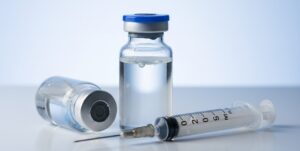
GLP-1 medications have changed the conversation around weight loss. For many people, they reduce appetite, improve food control, support blood sugar regulation, and make weight loss feel possible after years of frustration. For people with obesity, type 2 diabetes, or significant metabolic health concerns, these medications can be powerful tools when prescribed and monitored by qualified medical professionals.
But there is a problem that does not get discussed enough: what happens after the weight starts coming off? What happens if calories drop too low, protein intake falls, strength training is ignored, muscle is lost, appetite returns, or the medication is stopped? The early results may look impressive, but long-term success depends on more than the number on the scale.
The biggest mistake is treating GLP-1s like a shortcut instead of a window of opportunity. When appetite is quieter, it can be easier to build new habits. It can be easier to choose whole foods, control portions, reduce cravings, and create structure. But if those habits are not built during the process, the person may be unprepared when hunger returns or medication access changes.
This article explains why GLP-1 weight loss needs a long-term plan, why muscle preservation matters, why protein and strength training are essential, and why anyone considering medications or investigational compounds should work with experienced medical professionals.
GLP-1 Medications Are Powerful, But They Are Not Magic
GLP-1 receptor agonists and related medications work through hormone pathways involved in appetite, blood sugar, digestion, and satiety. Some medications in this category are FDA-approved for type 2 diabetes, chronic weight management, or both, depending on the specific drug and indication. They can be life-changing for the right patient under proper supervision.
The issue is not whether these medications can work. Many do. The issue is whether people are prepared to use them responsibly. Appetite suppression can lead to weight loss, but appetite suppression alone does not automatically teach someone how to eat for long-term health. It does not automatically preserve muscle. It does not automatically build a strength-training routine. It does not automatically create a maintenance plan.
That distinction matters because obesity and weight regain are not simply willpower problems. They involve physiology, behavior, food environment, habits, sleep, stress, hormones, and metabolic adaptation. Medication can help shift the equation, but long-term results still require a structured plan.
Retatrutide Is Not the Same as Approved GLP-1 Therapy
Online conversations often use the term “Reta” to refer to retatrutide, an investigational medication being studied for obesity and related conditions. Retatrutide is different from standard GLP-1-only medications because it is being studied as a triple hormone receptor agonist that activates GIP, GLP-1, and glucagon receptors.
That triple mechanism is one reason people are talking about it. However, it is critical to understand the current status. Lilly states that retatrutide is investigational and is legally available only to participants in clinical trials. You can review Lilly’s current explanation here: Lilly: What to Know About Retatrutide.
This means retatrutide should not be treated like an approved prescription weight-loss medication that someone can safely buy online. Products marketed as “research peptides” or unofficial versions may not be regulated, verified, sterile, properly dosed, or safe for human use. Anyone interested in GLP-1-related therapy should discuss approved options with a licensed healthcare provider instead of experimenting with unapproved products.
The Weight Loss Trap: Losing Too Much Too Fast
Rapid weight loss can be exciting, but it can also create problems if it happens without enough protein, resistance training, micronutrients, and medical monitoring. A large calorie deficit may reduce body weight quickly, but the weight lost is not always only fat. Some of it can come from lean mass, water, glycogen, and other tissues.
This matters because lean mass is metabolically and functionally important. Muscle helps support strength, mobility, blood sugar control, posture, balance, and long-term independence. Losing fat while preserving muscle is very different from losing weight indiscriminately. Two people can lose the same number of pounds and end up with very different health outcomes depending on how much muscle they retain.
A person who loses weight too aggressively may feel successful at first, but the downside can appear later. Workouts may get weaker. Energy may drop. Hair, skin, mood, sleep, digestion, or recovery may suffer. When appetite returns, the body may be less metabolically resilient because lean mass has decreased.
That is why the goal should not be “lose as much as possible as fast as possible.” A better goal is to lose fat while protecting strength, muscle, performance, and health markers.
Why Protein Becomes Non-Negotiable
Protein is one of the most important nutrition priorities during GLP-1-supported weight loss. When appetite decreases, many people simply eat less of everything. That may reduce calories, but it can also reduce protein below the level needed to preserve lean tissue.
People often think they are eating enough protein because they have eggs at breakfast, a small piece of meat at lunch, or fish at dinner. But when the actual grams are added up, intake may be much lower than expected. For someone losing weight, training, or trying to preserve muscle, that can become a problem.
Protein helps support muscle repair, satiety, immune function, and recovery. It also helps make weight loss more body-composition friendly. A meal plan built around protein first is more likely to protect lean mass than a plan based only on eating as little as possible.
Practical protein sources include lean meats, poultry, fish, eggs, Greek yogurt, cottage cheese, tofu, tempeh, beans, lentils, protein powder when needed, and high-protein meal prep. The right target depends on the individual, medical status, body size, kidney health, training level, and goals, so anyone with medical conditions should ask a healthcare professional for personalized guidance.
Strength Training Is the Missing Piece for Many GLP-1 Users
Strength training is not optional if the goal is long-term body recomposition. GLP-1 medications can help reduce appetite, but they do not tell the body to keep muscle the way resistance training does. Lifting weights, using machines, training with resistance bands, or performing structured bodyweight exercises provides the mechanical signal the body needs to maintain and build lean tissue.
This is especially important for people over 40 or 50 because muscle loss becomes a bigger concern with age. A person who loses weight without training may become smaller but weaker. A person who combines fat loss with resistance training can become leaner, stronger, and more capable.
Strength training does not need to be extreme. Most people can start with two to four sessions per week, focusing on controlled movements, progressive overload, and consistency. A simple program might include squats or leg presses, hip hinges, rows, presses, carries, core work, and mobility. The exact plan should be matched to the person’s ability, injury history, and goals.
For beginners, working with a qualified trainer can be valuable. Proper form, gradual progression, and recovery planning can reduce injury risk and make training more effective. The goal is not to chase maximum lifts immediately. The goal is to build a body that can handle life better.
Clean Eating Is Different From Crash Dieting
One important distinction is the difference between eating clean and crash dieting. Eating clean means improving food quality. Crash dieting usually means slashing calories without enough attention to protein, nutrients, or sustainability.
A person can eat a reasonable amount of calories from whole, nutrient-dense foods and still make progress. Lean proteins, fruits, vegetables, potatoes, rice, oats, beans, healthy fats, and minimally processed meals can support fat loss while keeping the body nourished. This approach is very different from living on tiny portions, skipping protein, and relying on medication to suppress hunger.
GLP-1 medications may make it easier to reduce highly processed foods, large portions, and constant snacking. That is an opportunity. The goal should be to use that calmer appetite to build a better eating pattern, not simply to eat almost nothing.
Clean eating also helps prepare for maintenance. If a person loses weight while still eating the same low-quality foods in smaller amounts, the old habits may return when appetite comes back. If they spend the process learning to enjoy better meals, plan protein, manage portions, and understand hunger cues, they have a stronger chance of maintaining results.
The Exit Plan Problem
Many people start weight-loss medication with a clear goal, but not everyone starts with a maintenance plan. That is a major issue. The question should not only be, “How do I lose the weight?” It should also be, “How do I keep the result?”
Research has shown that weight regain can occur after stopping GLP-1 therapy. In the STEP 1 trial extension, participants who stopped once-weekly semaglutide 2.4 mg and lifestyle intervention regained about two-thirds of their prior weight loss after one year. The study authors concluded that the findings support obesity as a chronic condition and suggest ongoing treatment may be needed to maintain weight and health improvements. You can review the PubMed abstract here: Weight Regain and Cardiometabolic Effects After Withdrawal of Semaglutide.
This does not mean everyone is doomed to regain weight. It means discontinuation should be planned carefully. Hunger may return. Cravings may increase. Calorie needs may change. Old habits may reappear. Without a plan, the transition can feel like a crash.
An exit plan may include a maintenance dose discussion with a physician, a gradual medication transition when appropriate, regular weigh-ins, strength training, high-protein meals, calorie awareness, behavioral coaching, and follow-up appointments. The right plan depends on the medication, the person’s health history, and the clinician’s guidance.
What Weight Regain Really Means
Weight regain is not simply a character flaw. It often reflects biology. When the body loses weight, appetite hormones, energy expenditure, cravings, and food reward pathways can change. The body may defend against weight loss by increasing hunger and reducing calorie burn. This is one reason long-term obesity care is more complicated than “just eat less.”
However, biology does not remove responsibility. It means the plan has to be realistic. If appetite returns and the person has not built new habits, the old pattern may come back quickly. If they lost muscle during the process, regained weight may come back as a higher percentage of body fat. That can leave someone metabolically worse off than expected despite an impressive initial loss.
This is why body composition matters more than scale weight alone. A successful plan should track more than pounds. Waist measurements, strength numbers, body fat trends, blood pressure, blood sugar, lipids, resting heart rate, sleep, energy, and daily function can provide a better picture of progress.
The Muscle Loss Concern
Muscle loss during weight loss is not unique to GLP-1 medications. Any significant weight loss can include some lean mass loss, especially if protein is low and resistance training is absent. The concern with appetite-suppressing medications is that people may unintentionally eat too little, skip protein, and stop training because they are tired or under-fueled.
Muscle loss can affect more than appearance. Less muscle may reduce strength, increase frailty risk with age, lower functional capacity, and affect glucose management. For older adults, preserving muscle is one of the most important parts of weight-loss care.
The solution is not to avoid weight loss when it is medically needed. The solution is to lose weight intelligently. That means eating enough protein, training consistently, avoiding extreme deficits, and monitoring body composition when possible.
Bone Health and Rapid Weight Loss
Bone health is another reason to avoid reckless weight loss. Bones respond to nutrition, hormones, mechanical loading, vitamin D, calcium, protein, and resistance training. If someone loses weight rapidly while under-eating, avoiding exercise, and missing key nutrients, bone health may become a concern over time.
Strength training helps because it places controlled stress on bones and muscles. That stress encourages adaptation. Weight-bearing exercise, resistance training, adequate protein, vitamin D, calcium, and medical monitoring can all play a role in protecting musculoskeletal health.
People over 50, postmenopausal women, individuals with prior fractures, and anyone with osteoporosis risk should be especially careful. Weight loss may still be beneficial, but the plan should be designed to protect muscle and bone, not just reduce scale weight.
Why Tracking Helps Prevent Mistakes
Tracking can be a powerful tool during GLP-1-supported weight loss. It does not have to be obsessive, but it should provide enough feedback to prevent blind spots. Useful tracking may include body weight trends, protein intake, calories, workouts, measurements, sleep, blood pressure, blood glucose when appropriate, and side effects.
Tracking food can reveal whether someone is eating enough protein or accidentally living on very low calories. Tracking workouts can show whether strength is improving or declining. Tracking measurements can show fat loss even when the scale stalls. Tracking health markers can help identify changes that should be discussed with a clinician.
For people using medications, monitoring is especially important because changes can happen quickly. Appetite, digestion, energy, hydration, and food tolerance may all shift. Without tracking, it is easy to confuse fast weight loss with healthy progress.
Medical Supervision Should Be Specific
Anyone considering GLP-1 medications, related therapies, or investigational compounds should work with a qualified healthcare provider. But not every provider has the same experience with obesity medicine, peptides, weight-loss pharmacotherapy, or metabolic health. A primary care physician may be a good starting point, but some patients may also benefit from an obesity medicine specialist, endocrinologist, registered dietitian, or supervised weight-management clinic.
Medical supervision should include more than writing a prescription. A complete plan may involve baseline labs, medication review, contraindication screening, nutrition guidance, side effect management, dose adjustments, follow-up appointments, and a maintenance strategy. Patients should also tell their regular physician what they are taking because medications can affect blood pressure, heart rate, digestion, glucose, and lab values.
This is especially important with unapproved or unofficial products. Products sold outside legitimate medical channels may expose users to incorrect dosing, impurities, contamination, or counterfeit ingredients. No body transformation is worth that risk.
A Smarter GLP-1 Strategy
A safer and more sustainable GLP-1 strategy starts with the idea that medication is only one part of the plan. The goal is not to depend on appetite suppression alone. The goal is to use the period of reduced hunger to build a lifestyle that can support long-term health.
- Prioritize protein daily: Build meals around high-quality protein to support muscle preservation.
- Strength train consistently: Lift weights or use resistance training to signal the body to keep muscle.
- Eat whole foods: Improve food quality instead of relying only on smaller portions of poor-quality meals.
- Monitor progress beyond scale weight: Track strength, waist, energy, labs, and body composition when possible.
- Plan maintenance early: Discuss long-term use, tapering, or transition strategies with a medical professional.
- Address behavior: Use the medication window to change habits, not just suppress appetite temporarily.
Final Thoughts
GLP-1 medications can be powerful tools, but they are not a substitute for long-term health habits. They may help reduce appetite, improve metabolic markers, and support weight loss, but the outcome depends heavily on what happens during the process and after the initial weight comes off.
The biggest risks are not only side effects. They are poor planning, too little protein, no strength training, rapid weight loss, muscle loss, unapproved products, and assuming old habits will not matter once the medication has done its job. Old habits still matter. If the eating pattern that created the problem returns, the weight and health issues can return too.
The better approach is to treat GLP-1 therapy as a structured medical tool. Work with qualified professionals. Eat enough protein. Train with resistance. Track what matters. Build a maintenance plan. Prepare for appetite changes. Protect muscle and bone. Think in years, not weeks.
Weight loss is not the finish line. The real goal is a stronger, healthier, more capable body that can maintain the progress long after the first phase is over.
Video Summary
Disclaimer: This content is for educational purposes and does not replace personalized medical advice.
For more evidence-based nutrition and fitness tips, subscribe to our channel:
https://www.youtube.com/@Vitality-and-Wellness
Looking for extra help with your fitness goals? Check out the personalized Nutrition Program at Parkway Athletic Club:
parkwayathleticclub.com/nutrition