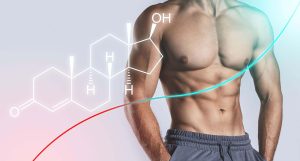
Conversations around fitness enhancement have never been more widespread, yet they remain clouded by misinformation, secrecy, and unrealistic expectations. Many people assume that using testosterone replacement therapy, peptides, or other enhancement tools is a shortcut to dramatic physical change. But in reality, these products—legal, medically supervised, and highly individualized—only work when paired with consistent nutrition, disciplined training, and responsible health management. This article explores what enhancement can and cannot accomplish, how to safely navigate the topic, and why transparency and lifestyle matter far more than most assume.
Why Fitness Enhancement Is Misunderstood
In online fitness culture, enormous pressure is placed on appearance, which often leads to assumptions about whether an individual is “natural.” At the same time, people who use medically supervised enhancement often feel compelled to hide it. Some worry that acknowledging their use of TRT or peptides might overshadow their years of training. Others fear being judged or misunderstood. However, the truth is that none of these tools function as magic solutions, and none remove the need for discipline. They only enhance the work a person is already doing.
The National Institutes of Health has noted that testosterone therapy, when medically justified, can improve energy, muscle protein synthesis, and mood, but only elevates a person toward a normal physiological range—not toward extreme fitness outcomes on its own (NIH reference). Understanding this distinction is essential.
Why Transparency With Medical Professionals Matters
One of the most important topics raised in the discussion is the risk of keeping enhancement use secret from medical professionals. Whether an individual uses TRT, peptides, SARMs, steroids, or even basic supplements, the information is medically relevant. Blood markers, hormone levels, lipid panels, and liver enzymes can shift dramatically when using enhancement compounds. Without transparency, healthcare providers cannot identify the origin of abnormalities or offer proper guidance.
Medical oversight is not optional—it is foundational. Bloodwork is typically required before beginning TRT and throughout ongoing therapy to ensure safe dosing, healthy hematocrit levels, and appropriate estrogen balance. This monitoring protects long-term health and ensures that enhancement supports rather than harms the body.
The Role of Work Ethic in Achieving Real Physical Change
A recurring theme is that no enhancement tool—legal or otherwise—can replace hard work. The misconception that TRT or peptides automatically create a lean, muscular physique is scientifically inaccurate. Research consistently shows that muscle hypertrophy requires progressive resistance training and adequate protein intake, regardless of hormonal status (PubMed reference). Enhancement compounds may increase efficiency, but they do not eliminate the necessity of training.
Even anabolic compounds, which are far stronger than medical TRT and not legal without specific authorization, cannot create significant change without exercise. A person who does not lift weights consistently will not suddenly develop strength or muscularity simply because they are supplementing. Enhancement amplifies the benefits of training—it does not replace them.
The Psychology Behind Secrecy in Fitness
Many people hide their enhancement use out of concern that acknowledging it will minimize their hard work. They worry others will assume their physique is the result of shortcuts rather than daily discipline. Others may avoid disclosure due to stigma, fear of criticism, or misunderstanding from peers who associate enhancement with unhealthy or illicit behavior.
But secrecy introduces risks—especially if health issues arise. From a practical perspective, enhancement use becomes visible anyway over time. Physical changes, bloodwork patterns, and strength progression often reveal that something is different. Transparency can reduce misconceptions, increase safety, and foster more honest conversations around what enhancement can realistically accomplish.
Where Enhancers Fit Into a Comprehensive Fitness Strategy
Enhancement compounds are only one small piece of a complete approach to fitness. They cannot compensate for a poor diet, lack of exercise, or inconsistent habits. Healthy lifestyle choices always remain the foundation of physical transformation. Below are the pillars that create lasting change:
1. Nutrition Quality and Consistency
Regardless of enhancement use, caloric balance, macronutrient intake, and whole-food nutrition determine body composition outcomes. A high-protein diet supports muscle repair and growth, while maintaining a caloric deficit is necessary for fat loss. Supplements cannot override poor eating habits.
2. Progressive Strength Training
Muscle develops through overload, not through pharmacology alone. Lifters who consistently challenge their muscles with resistance training will see improvement—enhancement or not. Those who do not train rigorously will not see meaningful change even if they supplement.
3. Sleep and Stress Regulation
Hormonal balance is strongly influenced by sleep and stress levels. Growth hormone production, recovery, and body composition all depend on sleep quality. Enhancers cannot compensate for chronic sleep deprivation or high stress.
4. Responsible Supplementation
Creatine, amino acids, electrolytes, and similar supplements are well-studied and effective when used strategically. But even these do little without proper training and nutrition. Enhancers should always be contextualized as supportive tools, not primary drivers of transformation.
Understanding What Enhancement Really Does
Many forms of legal enhancement—TRT, peptides, and certain amino acid therapies—provide benefits such as improved energy, better workout recovery, and increased mental clarity. For individuals with clinically low hormone levels, TRT can help restore vitality and support overall wellness. Peptides may support recovery, inflammation regulation, or metabolic health depending on their type and mechanism. These benefits help individuals train more effectively, but the resulting progress still depends on effort.
Enhancement should be viewed as an amplifier: it enhances the results of whatever lifestyle already exists. Someone who trains hard and eats intentionally may see improved outcomes. Someone who remains sedentary or disregards nutrition will notice little difference.
Why Education Is Essential for Anyone Considering Enhancement
Education empowers people to make informed decisions. Many individuals today learn about enhancement through online platforms, where content creators openly discuss benefits, risks, and personal experiences. This accessibility helps demystify the process but also increases the responsibility to approach enhancement with caution and medical oversight.
Age, health history, existing conditions, and lifestyle factors all determine whether enhancement is appropriate. Women may also benefit from hormone optimization in medically justified scenarios. No matter the situation, proper assessment and ongoing monitoring remain essential.
Why Openness Benefits the Entire Fitness Community
Open conversations reduce stigma and help people understand the realities of enhancement. They dispel myths about “magic pills” and emphasize the dedication required to sustain change. They also remind people that legal, medically supervised enhancement is fundamentally different from unsafe or illicit use.
Most importantly, openness encourages a culture centered around health rather than secrecy. When individuals share what they are doing—and why—they help others make better decisions, reduce risks, and remain aligned with long-term wellness goals.
Video Summary
For more evidence-based nutrition and fitness tips, subscribe to our channel: https://www.youtube.com/@Vitality-and-Wellness
Looking for extra help with your fitness goals? Check out the personalized Nutrition Program at Parkway Athletic Club: parkwayathleticclub.com/nutrition
Disclaimer: This content is for educational purposes and does not replace personalized medical advice.