BPC-157 & TB-500: What the Evidence Says

  A Practical, Evidence-Based Look at BPC-157 and TB-500 for Recovery Injectable peptides like BPC-157 and TB-500 are increasingly discussed in fitness and “recovery” circles—often framed as tools for tendon pain, joint discomfort, faster healing, and better training output. Online, they’re frequently paired together and nicknamed the “Wolverine stack,” implying near-superhuman regeneration. The reality is […]

How SLU-PP-332 May Boost Mitochondrial Health

Modern longevity research increasingly points to mitochondrial health as a central driver of metabolic aging, physical decline, and loss of endurance. SLU-PP-332 is an experimental research compound that has attracted attention because of its unique ability to activate cellular pathways typically stimulated by aerobic exercise. Rather than acting as a hormone or stimulant, this molecule […]

How to Do Dead Hangs for Stronger Shoulders

Some of the most effective “longevity” habits are not complicated, expensive, or time-consuming. One of the simplest is the dead hang: holding your body weight while hanging from a sturdy bar, tree branch, or playground structure. It looks almost too basic to matter—yet it trains a skill many adults gradually lose with age: the ability […]

Are Workout Apps Worth It? Pros, Cons, and Who Wins

Workout apps have exploded in popularity for a simple reason: they reduce friction. Open an app, follow the prompts, and a workout appears—sets, reps, rest times, and even short exercise demos. For many people, that structure is the difference between showing up consistently and drifting from machine to machine without a plan. But there’s a […]

Is 24% Weight Loss in 4 Months the Future of Obesity Treatment?

For decades, obesity research has faced a frustrating reality: meaningful, sustained weight loss is extremely difficult to achieve without aggressive calorie restriction, significant muscle loss, or invasive surgery. Most pharmaceutical options plateau early, forcing patients to choose between limited results or harsh side effects. Recent clinical data, however, has prompted researchers to reassess what may […]

Creatine vs TRT vs Steroids: What Changes?

The word “enhanced” gets thrown around in gyms, on social media, and in sports culture as if it means one specific thing. In reality, “enhanced” is a broad umbrella that can describe everything from taking creatine to using prescription hormone therapy to experimenting with unapproved compounds. That range matters—because the health risks, legal risks, and […]

Does Lifting Weights Damage Your Joints?

Many people avoid weight training because they’ve heard a familiar warning: “Lifting is bad for your joints.” It’s an understandable fear—especially with age, prior injuries, or occasional aches that show up after workouts. But the bigger picture is more nuanced. Resistance training can increase the capacity of muscles, tendons, ligaments, and bones to handle stress, […]

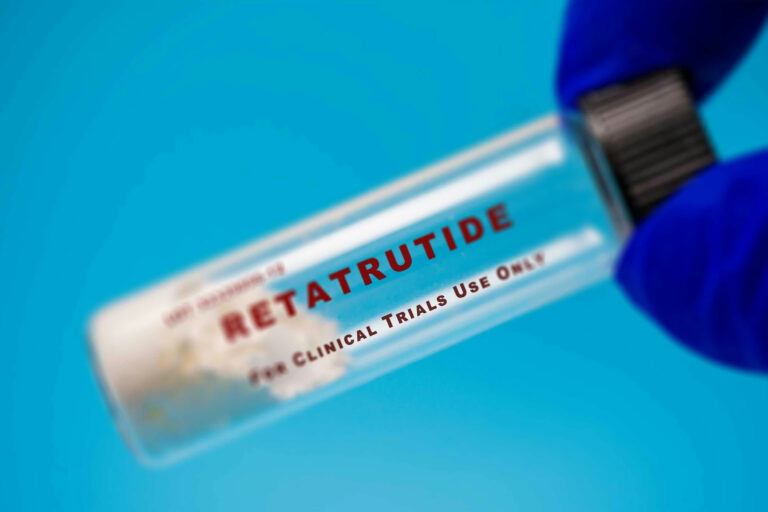
Retatrutide vs GLP-1 Drugs: What’s Different?

Retatrutide has become one of the most discussed investigational medications in obesity and metabolic-health research because it aims to do something that earlier “incretin-based” drugs only partially achieved: reduce appetite and meaningfully increase energy expenditure through a multi-hormone approach. It is not an approved medication at the time of writing and should be viewed through […]

A Simple Full-Body Workout Plan for Real Results

“Full-body fitness” is often misunderstood as doing a little bit of everything in one workout. In reality, full-body fitness is about building a body that works well as a complete system—strong where it needs to be strong, stable where it needs to be stable, and resilient enough to handle daily life and training without chronic […]

Can Scar Tissue Affect Aging and Pain?

When people think about “anti-aging,” the conversation often centers on hormones, inflammation, mitochondria, oxidative stress, and emerging regenerative tools. Those topics matter—but there is another driver of how fast the body “wears” over time that is often overlooked: the autonomic nervous system (ANS). The ANS is the background control system that regulates heart rate, blood […]