
The Truth About the Carnivore Diet: Benefits, Risks, and Who Should Be Careful
The carnivore diet is one of the most debated eating patterns in health and fitness. Some people describe it as life-changing. Others see it as too restrictive, too high in saturated fat, or too risky for long-term health. The truth is not as simple as either side often makes it sound.
At its core, the carnivore diet is an animal-food-based eating pattern. In its strictest form, it includes meat, fish, eggs, and sometimes dairy while eliminating grains, legumes, vegetables, fruits, nuts, seeds, and most plant foods. Some people follow a very strict meat-only version, while others use a more flexible animal-based approach that may include dairy, honey, or fruit.
The reason this diet gets attention is that many people report improvements in appetite control, weight loss, blood sugar stability, bloating, food cravings, and inflammatory symptoms. For people who have struggled with processed foods, sugar, refined carbohydrates, or food reactivity, removing nearly everything except animal foods can feel like a dramatic reset.
However, the carnivore diet is also highly restrictive. It removes many foods commonly associated with long-term cardiovascular, gut, and overall health, including vegetables, fruits, legumes, whole grains, and fiber-rich plant foods. That does not mean no one should ever try it, but it does mean the diet should be approached as a targeted tool rather than a universal lifestyle for everyone.
What Is the Carnivore Diet?
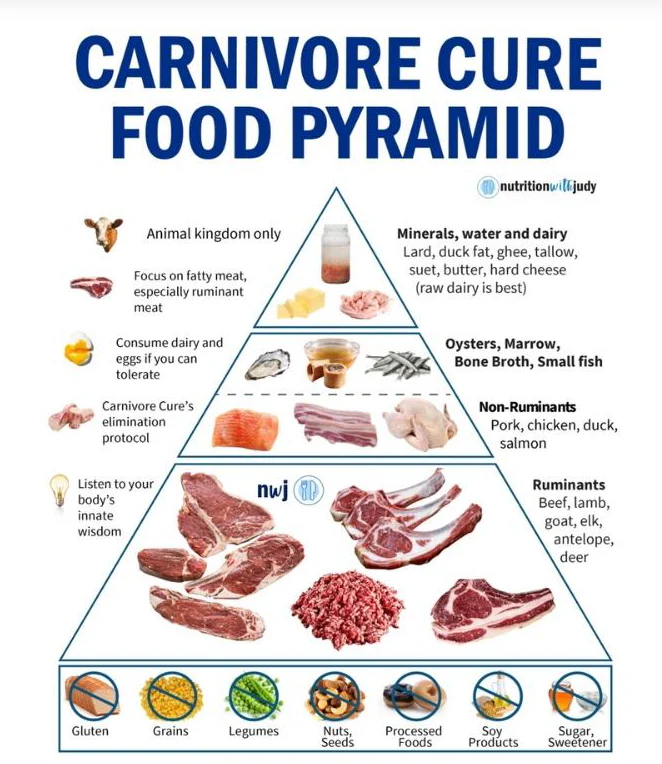
The carnivore diet is an eating pattern built almost entirely around animal foods. Common foods include beef, lamb, poultry, pork, fish, shellfish, eggs, butter, and sometimes cheese or other dairy products. Some versions emphasize fatty cuts of meat, organ meats, and salt. Others include leaner meats and more seafood.
Strict carnivore usually means no plant foods at all. That includes no vegetables, no fruit, no grains, no beans, no nuts, no seeds, and no plant oils. A more flexible animal-based diet may include fruit, honey, or other lower-toxin plant foods, but that is technically no longer strict carnivore.
This matters because people often use the word “carnivore” loosely. One person may be eating only beef, salt, and water. Another may be eating steak, eggs, cheese, yogurt, honey, and fruit. Another may be doing keto with extra meat. These are not the same diet, and they may produce different results.
Why People Try the Carnivore Diet
Most people do not try carnivore because they want to be extreme. They try it because something in their health is not working. Common reasons include weight loss, food cravings, bloating, blood sugar issues, autoimmune symptoms, irritable bowel symptoms, joint pain, fatigue, or frustration after trying several other diets.
One reason carnivore can appear to work quickly is that it removes many common problem foods at once. Ultra-processed foods, added sugars, refined grains, seed oils, alcohol, snack foods, and many high-calorie convenience foods disappear immediately. For many people, that alone can improve calorie control and reduce cravings.
Another reason is satiety. Protein and fat are very filling for many people. When a person eats mostly meat and eggs, they may naturally eat fewer calories without counting. Hunger may become more predictable, and snacking may decrease.
The diet can also function as an elimination diet. By removing nearly all plant foods and processed ingredients, some people may identify whether certain foods are contributing to symptoms. However, an elimination diet should ideally be structured and followed by careful reintroduction, not used forever without monitoring.
Potential Benefits of the Carnivore Diet
The biggest reported benefits of carnivore often include appetite control, weight loss, reduced cravings, improved blood sugar, and fewer digestive symptoms. These benefits are plausible for some people because the diet is very low in carbohydrates, high in protein, and naturally removes most processed foods.
For someone with insulin resistance, reducing refined carbohydrates and added sugars can improve blood sugar variability. For someone who constantly snacks on processed foods, eating mostly protein and fat can reduce hunger. For someone reacting to certain plant compounds, gluten, or additives, a short-term elimination phase may reduce symptoms.
A large survey of adults following a carnivore diet for at least six months found that participants reported high satisfaction and perceived health benefits, though the authors emphasized that the findings were self-reported and that long-term effects require further study. Review the carnivore diet survey in PubMed Central.
Those self-reported results are interesting, but they are not the same as controlled clinical proof. People who respond well to a diet are more likely to participate in surveys about it, and self-reported data can be biased. Still, the reports should not be dismissed completely. They show that some people feel better on this pattern, at least for a period of time.
What the Current Science Says
The carnivore diet does not yet have the same level of evidence as dietary patterns like the Mediterranean diet. A 2026 scoping review found that human studies on the carnivore diet remain limited, with only a small number of published studies available. The review noted reported benefits such as weight reduction, satiety, and possible improvements in inflammatory or metabolic markers, but also emphasized the need for stronger long-term research. Read the 2026 carnivore diet scoping review.
This is the most important point for a balanced discussion: the carnivore diet has interesting reports and possible therapeutic uses, but long-term randomized controlled trials are still lacking. That means strong claims in either direction should be made carefully.
It is not accurate to say the diet has no possible benefit. It is also not accurate to say it has been proven safe and ideal for everyone long term. The honest position is that carnivore may help certain people in certain contexts, but it should be personalized, monitored, and adjusted based on results.
Carnivore vs. Keto: What Is the Difference?
Carnivore and keto are often grouped together, but they are not the same. A ketogenic diet is very low in carbohydrates, moderate in protein, and high in fat. It may still include low-carb vegetables, avocado, nuts, seeds, olive oil, berries, and other plant foods.
Carnivore is usually more restrictive because it removes most or all plant foods. Someone on keto may eat salads, broccoli, olive oil, chia seeds, and berries. Someone on strict carnivore would not.
Both diets can lead to ketosis, but ketosis is not the only issue. The difference in fiber, micronutrients, phytonutrients, gut microbiome effects, and food variety can be significant. A person may tolerate keto well but not carnivore. Another person may find carnivore simpler and more effective for appetite control. The right choice depends on the individual.
Why Carnivore May Help Some Digestive Symptoms
Some people with bloating, IBS-like symptoms, or food reactivity report feeling better on carnivore. This may happen because the diet removes fermentable carbohydrates, fiber, gluten, additives, and foods that can trigger symptoms in sensitive individuals.
For some people, especially those with severe digestive issues, reducing food variety can temporarily reduce symptoms. That does not always mean the removed foods were “bad.” It may mean the gut was struggling with certain fibers, fermentable carbs, or food compounds at that time.
There is also a small 2024 case series discussing ketogenic and carnivore-style diets in inflammatory bowel disease. While the results were interesting, it included only 10 patients and should not be treated as proof that carnivore is a standard treatment for Crohn’s disease or ulcerative colitis.
People with diagnosed inflammatory bowel disease should not stop medications or switch to carnivore without medical supervision. IBD can become serious, and symptoms do not always reflect inflammation accurately. Lab markers, stool tests, colonoscopy findings, and physician guidance still matter.
The Processed Food Factor
One of the most practical reasons carnivore may help some people is not because meat is magic. It is because the diet eliminates nearly all ultra-processed foods.
Most people do not overeat plain steak or eggs the same way they overeat chips, cookies, soda, pastries, sweetened coffee drinks, fast food, or snack foods. Carnivore removes decision fatigue. The rule is simple: eat animal foods. That simplicity can make adherence easier for certain personalities.
This is also why other whole-food diets can sometimes produce similar improvements. A well-planned vegan diet, Mediterranean diet, paleo diet, low-carb diet, or high-protein whole-food diet may improve health markers if it removes processed foods, controls calories, provides adequate protein, and improves nutrient quality.
The improvement may come less from the diet label and more from the removal of foods that were driving overeating, inflammation, blood sugar swings, or digestive symptoms.
Who Should Be Careful With Carnivore?
The carnivore diet is not for everyone. People with cardiovascular disease, high LDL cholesterol, familial hypercholesterolemia, kidney disease, gout, gallbladder issues, a history of eating disorders, chronic constipation, or complex digestive conditions should be especially cautious.
Because carnivore can be high in saturated fat, LDL cholesterol may rise in some individuals. Not everyone responds the same way. Some people see improved triglycerides and HDL but increased LDL. Others may see more concerning lipid changes. That is why lab monitoring is important.
The American Heart Association emphasizes overall dietary patterns for cardiovascular health, including fruits, vegetables, whole grains, healthy protein sources, and limiting saturated fats and highly processed foods. A strict carnivore diet does not fit that general heart-health pattern, so anyone with cardiovascular risk should work closely with a medical professional. Review the American Heart Association diet and lifestyle recommendations.
Digestive tolerance is another concern. Some people feel better with less fiber. Others become constipated, experience changes in gut motility, or feel worse without plant foods. Gut health is highly individual, and the microbiome can respond differently from person to person.
Nutrient Concerns on a Strict Carnivore Diet
A strict carnivore diet can provide high amounts of protein, iron, zinc, B vitamins, selenium, and certain fat-soluble nutrients, especially if organ meats and seafood are included. However, it may be low in fiber, vitamin C, magnesium, potassium, certain antioxidants, and plant polyphenols, depending on food choices.
Some carnivore advocates argue that nutrient needs change on a very-low-carbohydrate diet. That may be partly true in certain contexts, but it does not eliminate the need for monitoring. Symptoms such as muscle cramps, fatigue, sleep issues, constipation, heart palpitations, or declining performance may suggest that electrolytes, calories, or nutrients need adjustment.
Seafood, eggs, organ meats, bone broth, salt, and mineral-rich foods may improve nutrient coverage, but not everyone wants to eat those foods consistently. A poorly planned carnivore diet made only of muscle meat may be more limited than a carefully planned animal-based diet.
Is Carnivore Better for Older Adults?
Older adults may benefit from higher protein intake and better appetite control, but that does not automatically mean strict carnivore is the best long-term choice. Muscle preservation becomes more important with age, and protein helps support strength, recovery, and function. However, older adults may also need more attention to magnesium, calcium, potassium, fiber tolerance, cardiovascular markers, kidney function, and bone health.
Some older adults may feel better with a short-term low-carb or carnivore-style phase, especially if it improves blood sugar, cravings, or body composition. Others may do better with a Mediterranean-style diet that includes animal protein, vegetables, fruit, olive oil, legumes, and seafood.
The best approach depends on health status, lab results, digestion, medications, goals, and sustainability. For older adults, extreme dietary changes should be monitored. The goal is not just weight loss. The goal is strength, independence, cognitive health, metabolic health, and long-term quality of life.
Short-Term Tool or Long-Term Lifestyle?
A balanced way to view carnivore is as a possible therapeutic tool rather than a food religion. For some people, a structured carnivore phase may help identify food triggers, reduce cravings, improve appetite control, or jump-start metabolic improvements. But that does not mean strict carnivore has to be permanent.
Some people eventually transition from strict carnivore to animal-based eating, ketogenic dieting, or a whole-food diet that includes carefully selected plant foods. This may allow them to keep the benefits of high protein and low processed food intake while improving food variety, fiber, micronutrients, and long-term sustainability.
Others may feel best staying carnivore longer term, but that should involve regular monitoring. Lab work, blood pressure, digestion, energy, sleep, performance, lipid markers, kidney function, and nutrient status should all be considered.
How to Do Carnivore More Safely
Anyone considering the carnivore diet should approach it thoughtfully. The stricter the diet, the more important monitoring becomes.
- Get baseline blood work: Check lipids, glucose, A1C, kidney function, liver markers, inflammation markers, and other relevant labs.
- Prioritize food quality: Include a variety of animal foods such as beef, eggs, fish, shellfish, and possibly organ meats if tolerated.
- Watch cardiovascular markers: Pay attention to LDL cholesterol, ApoB if available, blood pressure, triglycerides, and other risk factors.
- Manage electrolytes: Low-carb diets can change sodium and fluid balance, so salt, potassium, and magnesium may need attention.
- Monitor digestion: Constipation, diarrhea, reflux, or worsening gut symptoms should not be ignored.
- Use it as data: Track symptoms, weight, waist measurements, energy, workouts, sleep, and labs instead of relying only on opinion.
What Carnivore Gets Right
The carnivore diet gets several things right. It emphasizes protein. It removes ultra-processed foods. It eliminates added sugar and refined carbohydrates. It simplifies food choices. It can improve satiety. It may help some people identify food reactions. It can support weight loss when it naturally reduces calorie intake.
Those are meaningful benefits. Many people would improve their health by eating more protein, reducing processed foods, avoiding constant snacking, and focusing on whole foods. Carnivore forces those changes in a very strict way.
But the same strictness that makes it effective for some people can make it problematic for others. A diet can be useful and still not be ideal for everyone.
What Carnivore May Get Wrong
The biggest concern is turning carnivore into a universal answer. No single diet is perfect for every person. Some people thrive with very low carbohydrate intake. Others feel better with moderate carbohydrates from fruit, potatoes, oats, rice, or legumes. Some people tolerate dairy well. Others do not. Some people see excellent blood work on carnivore. Others may see LDL cholesterol rise sharply.
Another concern is dismissing plant foods entirely. Vegetables, fruits, legumes, herbs, spices, and whole grains contain fiber, minerals, antioxidants, and phytochemicals that may support long-term health for many people. Removing them may be helpful short term for certain symptoms, but long-term exclusion should be individualized rather than assumed to be superior.
The best diet is not the one with the loudest online community. The best diet is the one that improves health markers, supports energy and strength, reduces symptoms, and can be sustained without creating new problems.
Final Thoughts
The carnivore diet is not simply a miracle, and it is not automatically a disaster. It is a highly restrictive animal-food-based diet that may help some people with appetite control, weight loss, blood sugar stability, food cravings, and certain digestive or inflammatory symptoms. It may be especially useful as a short-term elimination tool for selected individuals under proper guidance.
However, long-term evidence is still limited. Cardiovascular markers, nutrient intake, gut health, and sustainability all matter. People with heart disease risk, high cholesterol, kidney disease, chronic constipation, IBD, or complex medical histories should not treat carnivore as a casual experiment.
A smart approach is individualized. Test, track, monitor, and adjust. If carnivore improves symptoms and lab markers, that is useful information. If it worsens cholesterol, digestion, energy, sleep, or training performance, that is also useful information.
The most important lesson is not that everyone should eat only meat. The lesson is that food quality, protein, processed-food removal, metabolic health, and personalization matter. For some people, carnivore may be a tool. For others, a less extreme whole-food diet may provide the same benefits with fewer concerns.
Health is not about winning a diet argument. It is about finding the eating pattern that helps the individual become stronger, healthier, and more functional over time.
Video Summary
Disclaimer: This content is for educational purposes and does not replace personalized medical advice.
For more evidence-based nutrition and fitness tips, subscribe to our channel:
https://www.youtube.com/@Vitality-and-Wellness
Looking for extra help with your fitness goals? Check out the personalized Nutrition Program at Parkway Athletic Club:
parkwayathleticclub.com/nutrition