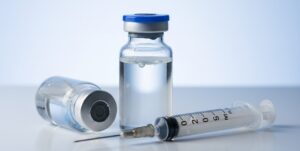
Maintaining muscle mass, joint integrity, and training capacity becomes increasingly challenging with age. While resistance training and nutrition remain foundational, interest has grown around peptides—short chains of amino acids that act as biological signaling molecules. These compounds do not function like traditional drugs; instead, they communicate with existing physiological pathways to support repair, recovery, and metabolic regulation.
This article explores several peptides frequently discussed in fitness and longevity circles, focusing on their proposed mechanisms, potential benefits, and the importance of medical oversight. Rather than promoting quick fixes, the goal is to provide context grounded in physiology and current research.
The Challenge of Recovery as the Body Ages
Muscle tissue often retains its ability to adapt well into later life when properly stimulated. However, connective tissues—including tendons, ligaments, and joint structures—tend to recover more slowly. This disconnect can limit training intensity and volume, even when muscular strength remains relatively high.
Age-related declines in anabolic hormones, reduced collagen synthesis, and chronic low-grade inflammation all contribute to longer recovery windows. For many individuals, this results in training plateaus, recurring joint discomfort, or reduced tolerance for workload.
What Are Peptides?
Peptides are short chains of amino acids, typically fewer than 50 units in length. The body naturally produces peptides as signaling molecules involved in healing, hormone release, immune function, and metabolism.
When dietary protein is consumed, it is broken down into amino acids and reassembled into peptides and proteins based on physiological demand. Supplemental peptides are designed to mimic or enhance specific signaling pathways rather than forcing a response.
Peptides act as messengers—supporting processes the body already knows how to perform.
Peptides Commonly Discussed for Tissue Repair
BPC-157 and Connective Tissue Support
BPC-157 is a peptide derived from a naturally occurring protein in gastric juice. It has been studied primarily for its potential role in tissue repair, angiogenesis, and inflammation modulation.
Preclinical research suggests BPC-157 may support tendon-to-bone healing and collagen organization, which has led to interest among individuals dealing with long-standing joint or soft tissue issues.
While human clinical data is limited, animal models indicate improvements in tendon healing and reduced inflammatory markers.
TB-500 and Cellular Migration
TB-500 is a synthetic version of a peptide fragment related to thymosin beta-4, a compound involved in cellular migration and tissue regeneration.
Its proposed benefits include:
- Support for connective tissue remodeling
- Enhanced blood vessel formation
- Improved recovery between training sessions
By supporting tissue repair rather than directly increasing muscle contractile strength, TB-500 is often discussed alongside BPC-157 as part of recovery-focused protocols.
Growth Hormone Signaling and Body Composition
Tesamorelin and Visceral Fat
Tesamorelin is a growth hormone–releasing hormone (GHRH) analog. Unlike exogenous growth hormone, it stimulates the body’s own pulsatile release of growth hormone.
Tesamorelin is FDA-approved for the reduction of visceral adipose tissue in individuals with HIV-associated lipodystrophy. Visceral fat—the fat surrounding internal organs—is metabolically active and associated with increased cardiometabolic risk.
Research has shown tesamorelin can significantly reduce visceral fat without negatively affecting glucose metabolism.
PubMed: Effects of Tesamorelin on Visceral Fat
Ipamorelin and Growth Hormone Pulses
Ipamorelin is a growth hormone–releasing peptide (GHRP) that works through ghrelin receptors. Unlike earlier GHRPs, it appears to have minimal impact on cortisol and prolactin levels.
When used in conjunction with GHRH analogs, ipamorelin may enhance natural growth hormone pulses—particularly during sleep—supporting recovery and body composition.
Why Growth Hormone Matters for Aging Athletes
Growth hormone plays a key role in:
- Fat metabolism
- Collagen synthesis
- Muscle protein turnover
- Sleep quality
Natural growth hormone production declines steadily with age. Supporting endogenous release rather than replacing it outright may help preserve regulatory balance.
Recovery, Training Volume, and Adaptation
Improved recovery allows for higher training quality—not necessarily reckless intensity, but greater consistency and workload tolerance. When joints and connective tissues recover more efficiently, individuals may experience:
- Reduced post-exercise soreness
- Improved range of motion
- Greater confidence under load
Over time, this can translate into regained lean mass and improved body composition, even in later decades of life.
Individual Variability Matters
Responses to peptides vary widely. Genetics, nutrition, sleep, training history, and hormonal status all influence outcomes. What works for one individual may not work for another.
This variability underscores the importance of personalized medical supervision and regular blood work.
Safety, Oversight, and Medical Guidance
Peptides should never be used casually or without medical oversight. While many are considered biologically “natural,” they still influence powerful regulatory systems.
Consulting qualified healthcare providers ensures:
- Appropriate dosing
- Monitoring of biomarkers
- Risk mitigation
Peptides Are Not a Substitute for Fundamentals
No peptide can replace the foundational pillars of health:
- Progressive resistance training
- Adequate protein intake
- Sleep and stress management
- Calorie balance aligned with goals
Peptides may enhance outcomes when fundamentals are already in place—but they cannot compensate for poor habits.
Long-Term Perspective on Aging and Performance
The goal of intelligent training with age is sustainability. Maintaining strength, mobility, and metabolic health supports independence and quality of life—not just aesthetics.
Emerging peptide research continues to explore how targeted signaling may help preserve function without forcing unnatural physiological states.
Video Summary
For more evidence-based nutrition and fitness tips, subscribe to our channel:
https://www.youtube.com/@Vitality-and-Wellness
Looking for extra help with your fitness goals? Check out the personalized Nutrition Program at Parkway Athletic Club:
parkwayathleticclub.com/nutrition
Disclaimer: This content is for educational purposes and does not replace personalized medical advice.