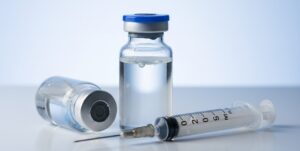
Nandrolone decanoate occupies one of the most controversial positions in modern health and longevity discussions. Once a legitimate pharmaceutical compound used in clinical medicine, it later became widely associated with athletic doping and bodybuilding culture. Today, renewed interest in muscle preservation, bone density, and aging resilience has brought nandrolone back into conversation—often without sufficient medical context.
This article examines where nandrolone decanoate truly fits within evidence-based medicine, where it does not belong, and why misuse in longevity and anti-aging settings can create more harm than benefit.
What Is Nandrolone Decanoate?
Nandrolone decanoate is a synthetic anabolic-androgenic steroid derived from testosterone. Chemically referred to as 19-nortestosterone, it was designed to enhance anabolic activity—such as muscle and bone formation—while producing fewer androgenic effects compared to testosterone itself.
This distinction matters clinically. Anabolic effects promote lean mass retention and bone mineral density, while androgenic effects influence characteristics such as hair growth, acne, prostate stimulation, and voice deepening. Nandrolone was engineered to tilt more heavily toward anabolic outcomes, which initially made it appealing in specific medical scenarios.
FDA Approval and Legitimate Medical Use
In the United States, nandrolone decanoate is FDA-approved for a single indication: treatment of anemia associated with chronic kidney disease. This approval reflects its ability to stimulate red blood cell production in patients whose kidneys no longer support normal erythropoiesis.
Outside the U.S., nandrolone has historically been approved for additional indications, including osteoporosis in certain countries such as the United Kingdom, Australia, and New Zealand. Importantly, its withdrawal from many markets was driven by commercial and manufacturing decisions—not widespread safety failures.
Despite this history, nandrolone is classified as a Schedule III controlled substance in the U.S., meaning it requires a prescription, careful monitoring, and clear medical justification.
Why Nandrolone Attracts Attention in Longevity Medicine
Longevity medicine focuses on preserving function rather than appearance. Four priorities consistently guide this field:
- Maintenance of muscle mass
- Preservation of bone density
- Mobility and physical independence
- Reduction of frailty-related risk
Nandrolone historically demonstrated benefits in lean mass preservation, nitrogen balance, and bone mineral density—particularly in older or medically fragile populations. Before modern osteoporosis drugs and biologics became common, it was occasionally used at low, medically supervised doses to support skeletal health.
This legacy explains why some clinicians and patients revisit the compound today. However, context and dosing make all the difference.
From Medicine to Misuse: How Nandrolone Gained a Dangerous Reputation
Nandrolone’s fall from clinical favor did not originate in medicine—it originated in abuse. In bodybuilding and competitive athletics, nandrolone became popular for its ability to increase muscle size, strength, and recovery speed.
These outcomes were achieved using doses far exceeding any therapeutic range. While medical dosing historically involved infrequent, low-dose administration, performance-enhancement regimens often involve 10–20 times higher weekly exposure, frequently stacked with other anabolic steroids.
This misuse led to predictable consequences:
- Suppression of natural testosterone production
- Elevated hematocrit and increased blood viscosity
- Reduced HDL (“good”) cholesterol
- Increased cardiovascular strain
- Hormonal dysregulation and mood changes
These outcomes are not side effects of responsible medicine—they are consequences of pharmacological excess.
The Anti-Aging Misconception
A growing concern among clinicians is the use of nandrolone in unsupervised anti-aging or “biohacking” protocols. Online discussions often frame it as a safer alternative to testosterone, overlooking the importance of dose, duration, and medical oversight.
Longevity medicine does not aim to accelerate muscle growth at all costs. Instead, it prioritizes sustainable aging, metabolic stability, and long-term organ health. High-dose anabolic steroid use undermines these goals by increasing cardiovascular and hormonal risk.
Longevity is not about aging faster with more muscle—it is about aging better without preventable damage.
Why Testosterone Is Not the Same Substitute
A common question arises: why not simply use testosterone instead?
Testosterone carries stronger androgenic activity, which increases the likelihood of estrogen conversion, prostate stimulation, acne, and other side effects. Nandrolone’s comparatively lower androgenic profile explains why some practitioners consider it in narrowly defined cases.
However, nandrolone still exerts androgenic influence. It can suppress endogenous testosterone production and may stimulate prostate tissue, making baseline screening and ongoing monitoring essential.
Risks of Improper or Unsupervised Use
Clinics increasingly report patients presenting with late-stage complications from long-term anabolic steroid exposure, including nandrolone. These individuals often used the compound without laboratory monitoring, medical consent, or dose restraint.
Documented risks include:
- Chronic suppression of natural hormone production
- Elevated cardiovascular disease risk
- Adverse lipid profile changes
- Potential prostate complications
These risks reinforce why nandrolone is not appropriate for cosmetic anti-aging or do-it-yourself longevity protocols.
Better-Supported Alternatives for Muscle and Bone Preservation
Modern longevity medicine offers multiple evidence-based strategies for preserving muscle and bone without relying on anabolic steroids:
- Progressive resistance training
- Adequate dietary protein intake
- Vitamin D and calcium optimization
- Addressing insulin resistance and inflammation
- Emerging peptide and biologic therapies under medical guidance
These interventions align with long-term health goals and carry far lower systemic risk.
What the Research Says
Clinical literature supports the anabolic effects of nandrolone but also highlights dose-dependent risks. Reviews emphasize that benefits seen in controlled medical settings do not translate to safety in unsupervised use.
For example, research published by the National Institutes of Health underscores the cardiovascular and endocrine risks associated with anabolic steroid misuse (NIH).
Similarly, PubMed analyses note that while anabolic agents may preserve lean mass, they require strict medical justification and monitoring (PubMed).
Where Nandrolone May Still Have a Role
Under tightly controlled conditions, nandrolone may have a role in:
- Severe sarcopenia associated with chronic disease
- Certain cases of cachexia
- FDA-approved anemia treatment
These uses require individualized risk assessment, laboratory oversight, and clear therapeutic goals—not aesthetic or performance-driven outcomes.
Video Summary
For more evidence-based nutrition and fitness tips, subscribe to our channel:
https://www.youtube.com/@Vitality-and-Wellness
Looking for extra help with your fitness goals? Check out the personalized Nutrition Program at Parkway Athletic Club:
parkwayathleticclub.com/nutrition
Disclaimer: This content is for educational purposes and does not replace personalized medical advice.