“Fat-burning supplements” are everywhere—and most claims are bigger than the evidence. Still, a handful of natural compounds have research suggesting they can support fat loss indirectly by influencing appetite, blood sugar regulation, inflammation, and energy expenditure. The key word is support: these are not “replacement” tools for nutrition, movement, sleep, and long-term consistency. They may, however, provide a modest edge when used appropriately and safely.
This article reviews five supplements that are commonly used for other health goals (like inflammation, digestion, or performance) but are sometimes overlooked in weight management discussions: curcumin, berberine, citrus aurantium (bitter orange), garcinia cambogia, and capsaicin. You’ll learn the proposed mechanisms, what typical studies show, practical dosing considerations, and the most important safety caveats.
Before the supplements: why “holiday weight gain” happens so easily
Weight change is often described as a simple calorie equation, but in real life the “inputs” and “outputs” are influenced by hormones, stress, sleep, food environment, and habits. During high-social seasons, it’s common to add a few hundred calories per day without noticing: a sugary coffee, an extra serving, a sauce or appetizer, a couple desserts, or alcohol. A small daily surplus can accumulate quickly over a few weeks.
Meanwhile, creating a meaningful deficit is harder than creating a surplus. Eating 500 calories over maintenance can happen with a short snack window; maintaining a daily 500-calorie deficit often requires deliberate planning, hunger management, and consistent activity. That’s the context where “supportive” supplements may help—by smoothing blood sugar spikes, improving satiety, or slightly increasing energy expenditure—so the overall plan feels more manageable.
Reality check: If a supplement “works,” it usually works by nudging physiology in a favorable direction—not by overriding lifestyle factors. Expect modest results, and treat them as part of a broader strategy.
1) Curcumin (often paired with piperine)
Curcumin is the main bioactive compound in turmeric. It’s widely used for inflammation-related goals (joint comfort, recovery, metabolic health), but some studies also link it to improvements in weight-related markers—especially when paired with absorption enhancers like piperine (black pepper extract) or delivered in specialized forms designed to improve bioavailability.
How it may support fat loss
Curcumin is not a stimulant and doesn’t “melt fat” directly. The proposed pathways are more indirect and potentially useful for people dealing with metabolic friction:
- Inflammation modulation: Chronic low-grade inflammation is associated with insulin resistance and metabolic dysfunction.
- Insulin sensitivity support: Better insulin signaling can reduce the cycle of spikes/crashes that increases cravings and overeating.
- Possible effects on adipose biology: Some research suggests curcumin may influence fat tissue signaling and energy regulation, though this is an evolving area.
- Gut-related effects: Turmeric compounds may interact with the gut ecosystem, which can influence appetite and metabolic signaling.
Practical dosing considerations
One of the most common reasons people feel “nothing” from curcumin is that the dose and/or formulation is too weak. Curcumin has naturally low absorption, so the form matters. Many protocols use a curcumin extract alongside piperine or use enhanced formulations (e.g., phytosome, liposomal, or other delivery systems). For many adults, effective ranges in studies often land in the ballpark of ~1,000–1,500 mg/day of curcumin extract (varying by formulation), though this should be individualized.
Safety notes
Curcumin is generally well tolerated, but it can cause GI upset in some people, and it may interact with medications (especially those affecting bleeding risk). People with gallbladder issues or those on anticoagulants/antiplatelet therapy should be particularly cautious and discuss use with a clinician. For an evidence-based overview and safety considerations, see the National Center for Complementary and Integrative Health (NCCIH) on turmeric/curcumin: NCCIH: Turmeric.
2) Berberine
Berberine is a plant-derived compound found in several herbs. It’s often used for cardiometabolic support and glucose regulation. Interest in berberine for weight management comes from its effects on blood sugar handling, insulin sensitivity, and metabolic signaling pathways.
How it may support fat loss
Berberine’s weight-related effects are typically framed around metabolic regulation rather than appetite suppression alone:
- Improved glucose control: By reducing post-meal glucose spikes, berberine may reduce cravings and energy dips that drive overeating.
- Insulin sensitivity support: Better insulin function can help with nutrient partitioning (how the body stores vs. uses incoming energy).
- AMPK activation: Berberine is often discussed in connection with AMPK, a cellular energy “sensor” involved in metabolic regulation.
- Potential microbiome effects: Changes in gut microbial balance may contribute to downstream metabolic improvements.
What results might look like in the real world
Across studies and meta-analyses, the average weight loss tends to be modest—often a few kilograms over a few months—especially when berberine is paired with diet and lifestyle changes. People with insulin resistance or prediabetes may notice the most meaningful benefit because the supplement is targeting a key bottleneck that influences hunger and fat storage.
Dosing patterns used in studies
A common approach in research and clinical practice is 500 mg taken two to three times daily, often with meals. Splitting the dose can help tolerability and may align better with post-meal glucose management. Some people explore “enhanced” variants (such as dihydroberberine) for absorption, but dosing and outcomes should be guided by evidence and clinician input.
Safety notes
Berberine can cause GI side effects (cramping, diarrhea, constipation) in some people, especially when starting or using higher doses. It can also interact with medications—particularly those affecting blood sugar and blood pressure. People who are pregnant or breastfeeding, and those taking multiple prescriptions, should avoid self-prescribing and consult a qualified clinician. For an overview of research evidence, see this PubMed-indexed systematic review/meta-analysis entry: Berberine and metabolic outcomes (PubMed).
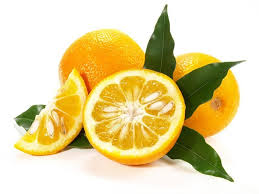
3) Citrus aurantium (bitter orange) and synephrine
Citrus aurantium, commonly called bitter orange, is used in some performance and “thermogenic” formulas. Its best-known active component is p-synephrine, which may modestly increase metabolic rate and fat oxidation for some individuals.
How it may support fat loss
The intended mechanism is a gentle metabolic push:
- Mild thermogenesis: A small increase in energy expenditure, sometimes perceived as “warming.”
- Fat oxidation support: Potentially increasing the body’s reliance on fat as a fuel during activity or at rest.
- Appetite influence: Some users report appetite suppression, though evidence varies.
Why this one demands extra caution
Bitter orange is sometimes combined with caffeine or other stimulants. Even if some trials report minimal effects on heart rate or blood pressure at certain doses, individual sensitivity varies. People with anxiety, insomnia, heart rhythm issues, hypertension, or those taking stimulant medications should be cautious. Combining multiple stimulants is where risk tends to climb. If a formula already contains caffeine, adding bitter orange on top may not be appropriate.
Practical dosing context
Many labels standardize by synephrine content. Typical protocols aim for a defined synephrine dose (often cited in ranges like ~10–20 mg per serving once or twice daily), but dosing should be individualized and conservative—especially if stimulant sensitivity is unknown.
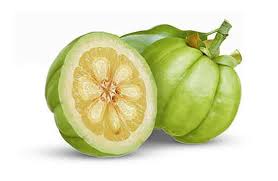
4) Garcinia cambogia (HCA)
Garcinia cambogia contains hydroxycitric acid (HCA), which has been marketed heavily for appetite and “carb blocking.” Evidence suggests any average effect is usually small, but some people use it as a supportive tool when overeating is driven by appetite, cravings, or emotional eating patterns.
How it may work (in theory)
HCA is often described as influencing enzymes involved in fat synthesis from carbohydrates and may also affect satiety signaling. In practice, results vary widely, and the effects—when present—tend to be modest. Garcinia is best viewed as an adjunct rather than a primary driver of weight change.
Practical dosing considerations
Many protocols split doses before meals, commonly in ranges like 500–1,000 mg (standardized to HCA) taken up to three times daily. Because product quality and standardization vary, it’s important to verify what “mg” refers to—total extract vs. standardized HCA content.
Safety notes
Garcinia can cause GI upset and may not be appropriate for everyone. People taking medications that affect mood, blood sugar, or liver health should be cautious. Product quality matters: supplements can vary in purity and standardization, and multi-ingredient weight-loss blends can complicate safety assessment.
5) Capsaicin (capsaicinoids)
Capsaicin is the compound that gives chili peppers their heat. Beyond culinary use, capsaicin and related capsaicinoids are used in topical pain products and oral extracts. For weight management, the appeal is its ability to modestly increase thermogenesis and potentially reduce appetite in some people.
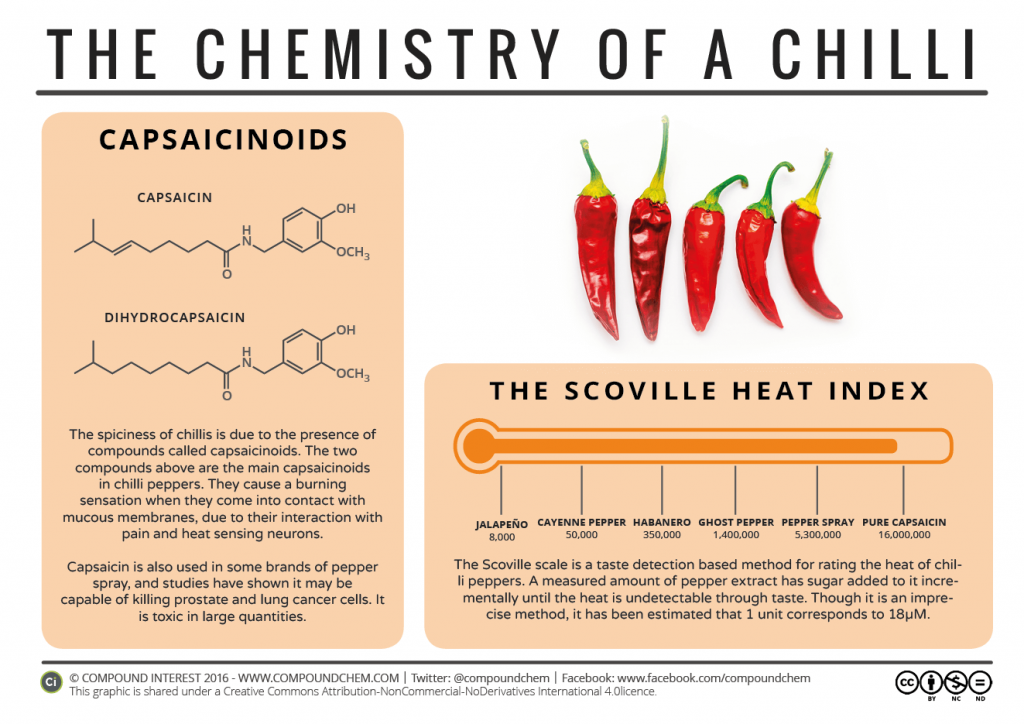
How it may support fat loss
- Thermogenesis: Some studies suggest small increases in daily energy expenditure.
- Appetite effects: In some individuals, spicy compounds may reduce appetite or cravings.
- Fat oxidation support: There may be a slight shift toward using fat as fuel.
What to expect
If capsaicin helps, it usually helps in the “small but consistent” category—think of it as adding a few extra steps each day rather than running a marathon. Over weeks and months, a small daily energy-expenditure increase can matter, but only if the overall plan remains consistent and compensatory eating doesn’t cancel the effect.
Dosing and tolerability
Supplement labels often list capsaicin or capsaicinoid content in milligrams. Typical supplemental ranges vary widely (commonly low single-digit milligrams), and tolerability is highly individual. People prone to reflux, gastritis, or GI sensitivity should be cautious. Starting low and assessing tolerance is often wiser than jumping into “thermogenic” mega-doses.
Stacking: when “more” is not always better
It’s common to see supplement stacks marketed as if combining ingredients automatically multiplies results. In reality, stacking can increase both benefits and side effects. Here are evidence-informed principles for safer stacking:
1) Avoid stimulant overload
If using bitter orange (synephrine), think carefully before combining it with high caffeine intake, pre-workouts, or other stimulants. Too much stimulation can impair sleep and increase stress hormones—both of which can undermine fat loss.
2) Consider “metabolic foundation” combinations
Some combinations make more sense because they target different bottlenecks:
- Curcumin + lifestyle: Helpful when inflammation and recovery are limiting training consistency.
- Berberine + meal structure: Useful when blood sugar swings drive cravings and overeating.
- Capsaicin + protein-forward meals: Potentially helpful as a small thermogenic/appetite-support tool.
3) Use measurable endpoints
Instead of guessing, track outcomes. Useful metrics include: average weekly body weight (trend, not day-to-day), waist circumference, hunger levels, energy, sleep quality, and (when relevant) bloodwork markers such as fasting glucose, A1c, lipids, and inflammatory markers. If a supplement worsens sleep or GI function, the “cost” may exceed the benefit.
A practical, evidence-based framework for using these supplements
Step 1: Get the basics stable
Supplements are most effective when the foundation is stable:
- Protein at most meals to support satiety and muscle retention.
- Fiber-rich foods (vegetables, legumes, whole grains as tolerated) for fullness and gut health.
- Daily movement (walking and resistance training) to preserve metabolic rate and improve insulin sensitivity.
- Sleep consistency to support appetite regulation and recovery.
Step 2: Choose one supplement target at a time
Pick based on the most relevant bottleneck:
- Cravings and blood sugar swings: berberine (with clinician guidance if on meds)
- Inflammation/recovery friction: curcumin (bioavailable form)
- “Low burn” energy expenditure support: capsaicin (if GI tolerance allows)
- Appetite support/emotional eating tool: garcinia (modest effect; quality matters)
- Performance/thermogenic angle: bitter orange (only with careful stimulant management)
Step 3: Set a realistic trial window
Most meaningful changes—if they occur—show up over 8–12 weeks. Short trials are easily confounded by water shifts, travel, stress, and inconsistent adherence. If no meaningful benefit appears (or side effects appear), discontinue and reassess rather than “stacking harder.”
FAQ
Are these supplements comparable to prescription weight-loss medications?
No. Prescription medications can produce larger average effects because they act more strongly on appetite regulation and metabolic pathways. Supplements may offer modest support, but they typically do not match the magnitude of clinically supervised pharmacologic strategies.
Which supplement is the “best” for most people?
There is no universal best. People with blood sugar dysregulation may respond better to berberine; those with inflammation-related barriers may benefit more from curcumin. Tolerance, medication interactions, and lifestyle fit matter more than hype.
Can these help prevent holiday weight gain?
They may help at the margins by improving appetite control, blunting glucose spikes, or slightly increasing energy expenditure. The most reliable approach is still a plan: protein-forward meals, mindful portions, movement, and sleep.
Key takeaways
- Curcumin may support metabolic health through inflammation and insulin-related pathways—formulation and dose matter.
- Berberine has some of the stronger evidence among supplements for glucose and weight-related outcomes, but interactions and GI effects are common considerations.
- Bitter orange (synephrine) may provide a mild thermogenic push, but requires careful stimulant management and cardiovascular caution.
- Garcinia cambogia (HCA) may modestly support appetite/satiety in some people, but average effects are usually small.
- Capsaicin may slightly increase energy expenditure and influence appetite, but GI tolerance is a limiting factor.
Video Summary
For more evidence-based nutrition and fitness tips, subscribe to our channel:
https://www.youtube.com/@Vitality-and-Wellness
Looking for extra help with your fitness goals? Check out the personalized Nutrition Program at Parkway Athletic Club:
parkwayathleticclub.com/nutrition
Disclaimer: This content is for educational purposes and does not replace personalized medical advice.