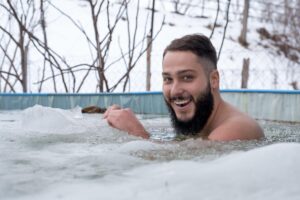
Cold plunging has moved from a locker room recovery method to a mainstream wellness ritual. Athletes use it after training, health clubs market it as part of recovery programs, and many people now keep cold tubs at home as part of a morning routine. The appeal is easy to understand: cold exposure feels intense, it creates an immediate shift in how the body responds, and many people report that they feel sharper, calmer, and more energized afterward.
Still, popularity does not automatically equal proof. That matters because cold plunging is often promoted as a cure-all. In reality, the science is more nuanced. Some benefits appear promising, especially for recovery, stress adaptation, sleep, and general wellbeing, while other claims remain incomplete or overstated. A recent systematic review found that cold-water immersion may improve sleep quality, quality of life, and sickness absence in some settings, but it also noted that the evidence base is still limited by small studies, mixed protocols, and inconsistent outcome measures. Authoritative review source
The video transcript highlights 10 reasons people are drawn to cold plunging: hormone support, heart rate variability, sleep, inflammation control, mood, energy, mental resilience, cardiovascular benefits, immune support, and the overall sense of feeling better afterward. Those ideas reflect what many wellness communities already believe. But the strongest way to think about cold plunging is not as magic. It is better understood as a controlled stressor. When used appropriately, it may help the body adapt, recover, and regulate itself more efficiently over time.
Below is a practical breakdown of the 10 benefits discussed in the video, with a clearer distinction between what seems promising, what is plausible, and what still needs stronger evidence.
1. It May Improve Stress Tolerance
One of the clearest reasons people stick with cold plunging is that it forces them to stay calm under discomfort. The moment cold water hits the body, breathing often becomes faster, the heart rate rises, and the nervous system reacts as if something urgent is happening. Learning to control breathing and remain composed in that moment can become a form of stress training.
This may be one of the most practical benefits of all. Many people are not just looking for another recovery tool; they are looking for a way to become less reactive. Cold exposure gives them a repeatable challenge: discomfort without actual danger, assuming it is done safely. Over time, that may help improve emotional control, especially for people who tend to feel mentally overwhelmed by small daily stressors.
That does not mean cold plunging replaces therapy, exercise, sleep, or other foundations of mental health. But it can function as a simple practice in deliberate discomfort. The lesson is not that cold water makes life easy. The lesson is that you can experience a stress response without losing control.
2. It May Support Recovery and Reduce Perceived Soreness
Cold water immersion became popular largely because of sports recovery. After intense training, athletes often use it to reduce soreness and feel ready for the next session sooner. That does not mean it always improves long-term adaptation to training, and it should not be treated as the answer to every recovery problem. But for reducing the feeling of soreness and helping someone feel more functional after hard exercise, it can be useful.
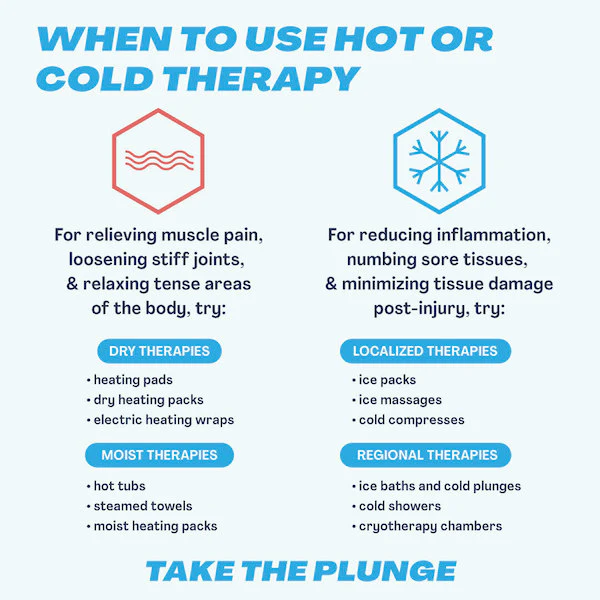
Mechanistically, cold exposure causes vasoconstriction, changes tissue temperature, and alters the body’s inflammatory and sensory response. In everyday terms, many people feel less achy and less swollen after a session. That matches the common experience described in the transcript, especially for irritated joints, overused hands, and post-training discomfort.
For someone training several days per week, this matters. The best recovery strategy is not the one that sounds the most extreme. It is the one that helps the person show up consistently, move better, and avoid excessive soreness that interferes with the next workout.
3. It May Help With Inflammation, but Timing Matters
Inflammation is one of the most discussed cold plunge topics, and it deserves a careful explanation. Cold exposure is often marketed as instantly “lowering inflammation,” but the research suggests a more time-dependent picture. The 2025 systematic review found that some inflammatory markers may rise immediately after cold-water immersion, even while later effects may become more favorable depending on timing and context. In other words, cold plunging does not simply switch inflammation off. It appears to alter the body’s response over time rather than in one straight line. Review of cold-water immersion and inflammation outcomes
That distinction matters because inflammation is not always bad. Training itself is a stress signal, and some inflammation is part of adaptation. If a person uses cold exposure after every resistance workout, they may feel better in the short term, but they should also be cautious about assuming that “less soreness” always means “better progress.” In some training contexts, constantly blunting the body’s recovery signals may not be ideal.
For general wellness, joint discomfort, or occasional hard sessions, cold plunging can still be a reasonable tool. The point is to use it strategically rather than automatically.
4. It May Improve Sleep Quality for Some People
Sleep is one of the most interesting areas in the cold exposure conversation because it connects recovery, mood, hormone balance, and energy. Some people swear by cold plunging in the morning because it leaves them alert and regulated throughout the day. Others prefer it later in the day because they feel calmer and sleep more deeply at night.
The best evidence here is still emerging, but current review data suggests that cold-water immersion may improve sleep quality in some populations. That is encouraging, especially because better sleep often improves nearly every other health marker people care about, including focus, exercise recovery, appetite regulation, and stress resilience. Systematic review discussing sleep quality findings
That said, there is no single perfect timing rule for everyone. A morning plunge may work best for people who want energy and alertness. An evening session may work better for those who feel wound up and have trouble settling down. The most sensible approach is to test timing and monitor whether sleep latency, wake-ups, and next-day energy actually improve.
5. It May Increase Alertness and Energy
This is one of the least controversial cold plunge effects because many people feel it almost immediately. Cold exposure creates a sharp physiological response. Breathing changes, blood vessels constrict, and the body moves into a more activated state. Subjectively, this often feels like a full-system wake-up call.
That makes cold plunging attractive for people who feel sluggish in the morning or mentally flat before work. Instead of relying only on stimulants, some people use cold exposure as a behavioral switch that signals the day has started. It can also become part of a routine that includes movement, hydration, sunlight, or exercise.
The key is to separate “feels energizing” from “solves fatigue.” If someone is exhausted because they are under-sleeping, under-eating, overtraining, or ignoring a medical issue, cold plunging is not a fix. It may boost alertness, but it does not replace the basics that create real energy in the first place.
6. It May Support Mood and Overall Well-being
Many people report that they feel noticeably better after a cold plunge. That sense of uplift may come from a combination of factors: a strong sensory stimulus, completion of a difficult task, a temporary break from mental clutter, and the feeling of having done something intentional for health. In practice, those effects can be meaningful, even when the exact mechanism is still being worked out.
At the same time, the strongest recent review did not find consistent evidence for immediate mood improvement across all studies, which is important because it keeps expectations realistic. Mood effects may depend on the person, the setting, the protocol, and whether cold exposure is combined with exercise, breathing, sunlight, or social factors. Review discussing mood, stress, and quality-of-life outcomes
That nuance is useful. Cold plunging may not create the same mood effect in every person every time. But as part of a routine that includes training, recovery, and reduced screen dependency, it may help people feel more engaged, disciplined, and mentally reset.
7. It May Improve Heart Rate Variability and Autonomic Regulation
The transcript highlights heart rate variability, often shortened to HRV. In simple terms, HRV reflects how flexibly the nervous system responds to internal and external demands. Higher HRV is generally associated with better adaptability and recovery capacity. Cold exposure causes an acute autonomic response, and over time that may help train the body to shift between activation and recovery more efficiently.
This does not mean a single plunge automatically makes someone healthier. It means repeated exposure may function like practice for the nervous system. A person enters cold water, experiences a spike in discomfort and arousal, then works to regain control. That pattern can be a useful signal for resilience, especially when paired with slower breathing and consistency.
For people already tracking readiness, sleep, and recovery, this is one reason cold exposure remains appealing. Even when the data is not perfect, the underlying concept makes sense: the more skilled the body becomes at managing stress, the more stable performance may feel across the day.
8. It May Offer Cardiometabolic Benefits
Another claim discussed in the video is support for cardiovascular and metabolic health. Here again, the most balanced interpretation is that the idea is promising but not fully settled. A broad review of voluntary cold-water exposure concluded that some studies suggest favorable effects on adipose tissue, insulin sensitivity, and metabolic function, while also emphasizing that the topic remains debated and stronger research is still needed. PubMed review on voluntary cold-water exposure and health
That makes sense biologically. Cold is a metabolic demand. The body has to preserve core temperature, regulate circulation, and generate heat. For some individuals, especially when combined with an otherwise healthy lifestyle, repeated cold exposure may contribute to better metabolic flexibility. But it should not be sold as a shortcut that replaces exercise, strength training, sleep, or nutrition.
It is also worth remembering that cold exposure is not harmless for everyone. People with cardiovascular disease, uncontrolled hypertension, arrhythmias, or other medical concerns should be more careful because cold shock can acutely raise blood pressure and stress the cardiovascular system.
9. It May Support Immune Function and Reduce Sick-Day Absence
The immune discussion around cold plunging is easy to exaggerate, so precision matters. The current evidence does not prove that cold plunging makes someone “immune to getting sick.” What it does suggest is that regular cold exposure may influence immune-related outcomes and may reduce sickness absence in some settings. In fact, one of the most frequently cited randomized trials found reduced self-reported sickness absence in people assigned to regular cold showers, and this finding was carried forward in the later systematic review. Review summarizing cold shower and sickness-absence findings
That is encouraging, but it still should not be overstated. Feeling resilient enough to work through a mild illness is not identical to never getting sick. Even so, fewer sick-day absences and better reported wellbeing are practical outcomes that matter to real people.
10. It Builds Discipline Through Repetition
Perhaps the most underrated benefit in the transcript is the simplest one: cold plunging can make people feel better about themselves because they keep doing something difficult on purpose. That may sound less scientific than hormone panels or biomarker talk, but behavior change often comes down to identity. Someone who cold plunges consistently starts to view themselves as the kind of person who follows through.
That shift matters because health outcomes are rarely created by one action alone. They come from repeated actions that reinforce each other. A person who cold plunges regularly may also be more likely to train, eat better, sleep earlier, and spend less time passively scrolling. The plunge itself may not deserve all the credit, but it can become a keystone habit that supports a broader lifestyle change.
What About Testosterone?
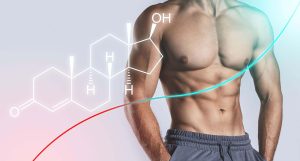
The video presents testosterone as a top benefit, but this is the area that most needs caution. Current scientific support for sustained testosterone increases from cold plunging is weak, and some literature suggests cold-water immersion may even reduce testosterone in certain settings rather than raise it. A recent review on testosterone-optimizing strategies in athletes explicitly noted that cold-water immersion may decrease testosterone, while stronger support exists for basics such as sleep, adequate energy intake, and resistance training. PubMed review on testosterone-optimizing strategies
That does not mean every anecdote is false. It means anecdotes should not be confused with settled evidence. If someone wants to support healthy testosterone, the highest-value strategies are still consistent sleep, resistance exercise, sufficient calories, stress management, and treatment of underlying health issues.
Best Practices for Using Cold Plunges Wisely
- Start conservatively rather than chasing extreme temperatures.
- Prioritize controlled breathing instead of fighting the discomfort.
- Use cold exposure strategically around training goals.
- Avoid solo sessions if you are inexperienced or medically high-risk.
- Stop immediately if you feel dizzy, numb in a concerning way, panicked, or unwell.
For most people, the smartest goal is not to prove toughness. It is to create a repeatable routine that feels challenging but sustainable. More is not always better. Consistency tends to beat extremity.
Bottom Line
Cold plunging is not a miracle therapy, but it is more than a trend. The strongest case for it is not that it does everything. The strongest case is that it may help with stress regulation, recovery, sleep, perceived energy, and overall wellbeing when used intelligently. Some claims, especially around testosterone, are still too speculative to promote with confidence. Others, like reduced soreness, improved alertness, and better adherence to healthy routines, are much easier to defend.
For the right person, cold plunging can be a useful tool. Not because it replaces fundamentals, but because it can reinforce them. When paired with training, sleep, good nutrition, and recovery, it may become a practical part of a healthier lifestyle rather than just another wellness fad.
Video Summary
For more evidence-based nutrition and fitness tips, subscribe to our channel: https://www.youtube.com/@Vitality-and-Wellness
Looking for extra help with your fitness goals? Check out the personalized Nutrition Program at Parkway Athletic Club: parkwayathleticclub.com/nutrition
Disclaimer: This content is for educational purposes and does not replace personalized medical advice.